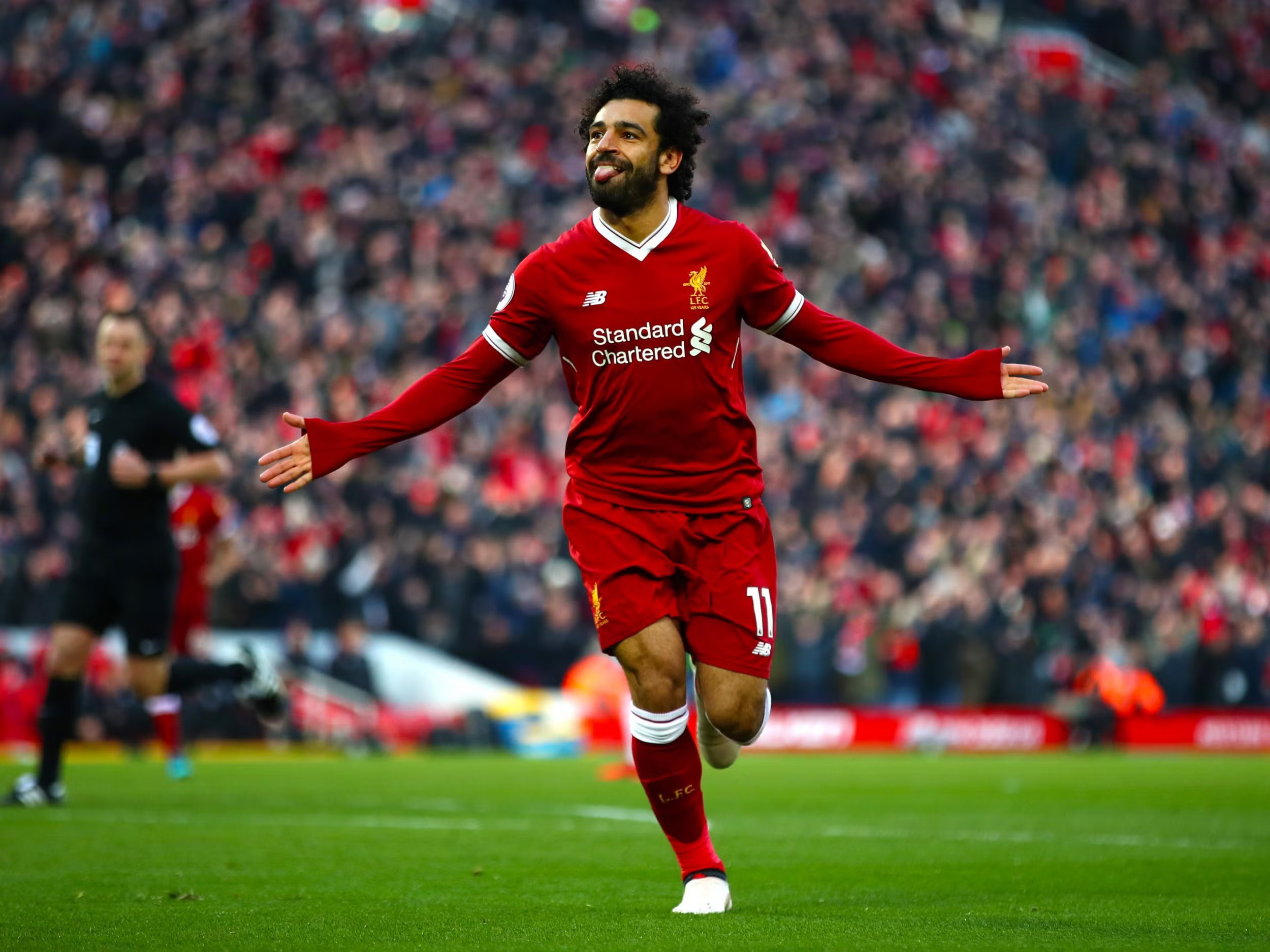
Liverpool find themselves at a decisive juncture in their modern era. As the club’s iconic right‑winger approaches the end of his Anfield chapter, the Reds must confront the most critical recruitment challenge of recent years: identifying a Mohamed Salah replacement who can uphold both the ruthless efficiency and tactical DNA that have defined their success. For Liverpool, the task is not about cloning a legend that is impossible, but about securing a winger capable of replicating the structural pillars of their attack, relentless pressing, inverted runs into central zones, and the ability to deliver decisive end product under pressure.
At Sports Courant, we take a closer look at the shortlist of players being considered to carry that responsibility forward.
Michael Olise (Bayern Munich) – The Closest Stylistic Successor
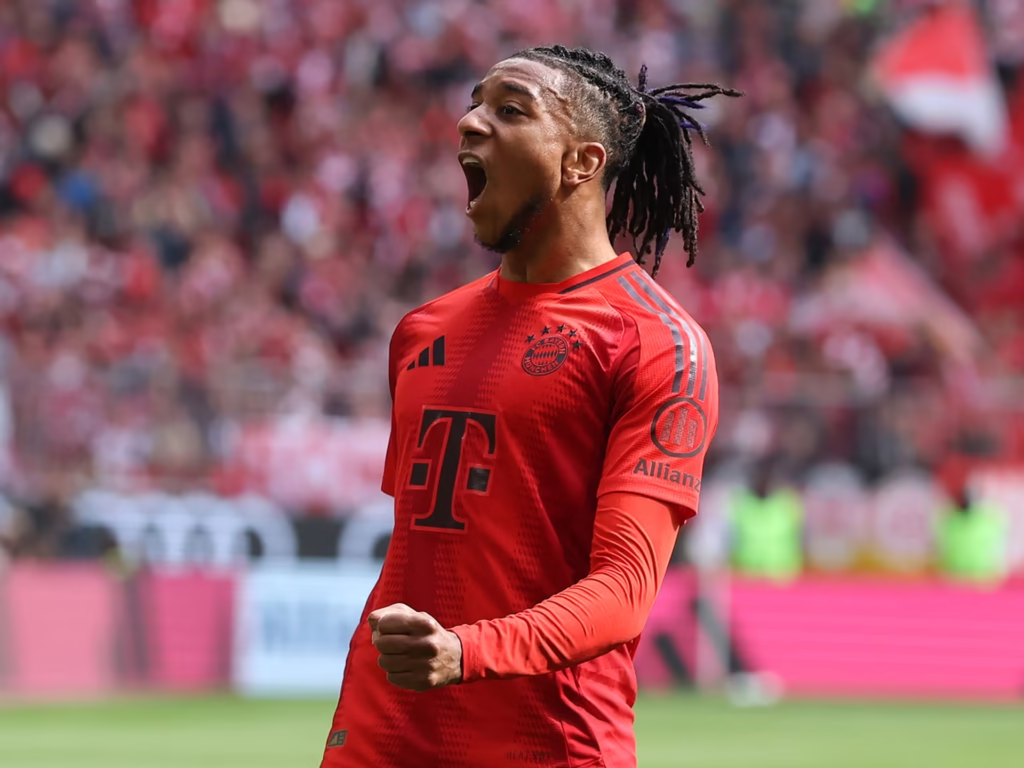
Liverpool’s search for the perfect Mohamed Salah replacement might start with Michael Olise. The Bayern Munich winger embodies many of the qualities that have defined the Reds’ right‑flank for nearly a decade: a left‑footed attacker who thrives cutting inside, combining dribbling flair with incisive passing. His Premier League experience at Crystal Palace proved his readiness, while Champions League exposure in Germany has added maturity and composure.
Olise’s tactical profile makes him the closest stylistic successor to the role Salah has mastered including inverted runs, pressing intensity, and decisive end product. The obstacle, however, lies in Bayern’s valuation, as the German champions view him as a cornerstone for their future. For the Merseysiders, pursuing Olise would be a statement of intent, securing a winger who could integrate seamlessly into their attacking DNA.
Bradley Barcola (Paris Saint‑Germain) – The Vertical Alternative
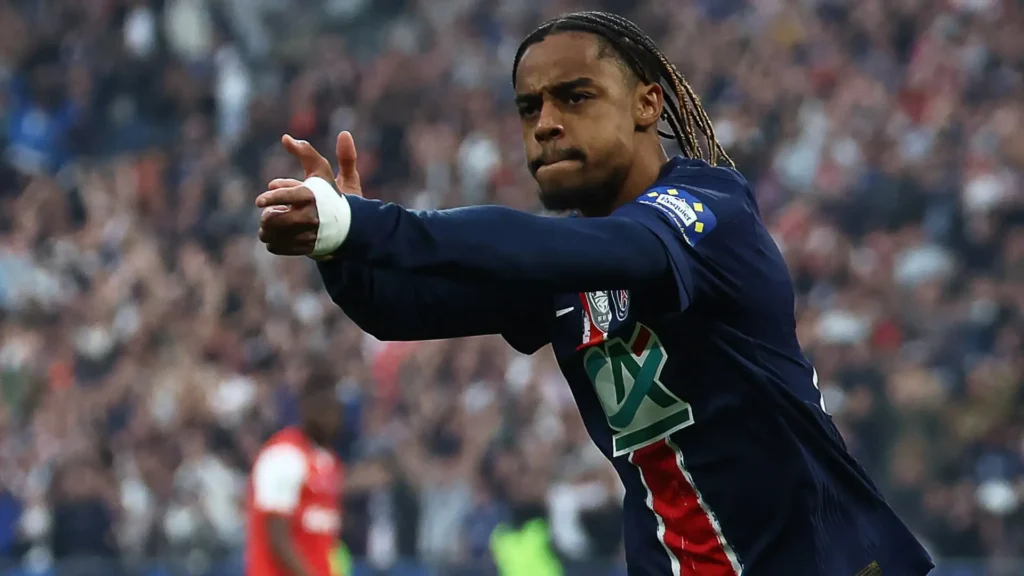
If Olise represents the closest stylistic successor, Bradley Barcola offers something different: verticality and unpredictability. At just 21, the PSG winger has already shown flashes of brilliance in the Champions League, using his pace and direct dribbling to stretch defenses. Unlike a traditional inverted forward, Barcola thrives on running at defenders in open space, creating chaos and forcing backlines to retreat.
For Arne Slot’s side, this profile could reshape the right‑flank dynamic. Instead of mirroring inside‑cutting patterns of Mo Salah, Barcola would give the Reds a more vertical threat, constantly driving into channels and opening space for overlapping full‑backs. His energy and willingness to take risks align with the club’s high‑intensity ethos, though his finishing remains inconsistent.
The upside is clear: Barcola could evolve into a long‑term weapon, offering unpredictability that keeps opponents guessing. The risk is equally obvious, he is not yet a polished end‑product player. But in a system designed to refine decision‑making and maximize transitional speed, he could become a devastating alternative to the traditional right‑wing blueprint.
Nico Williams (Athletic Bilbao) – The Explosive Presser
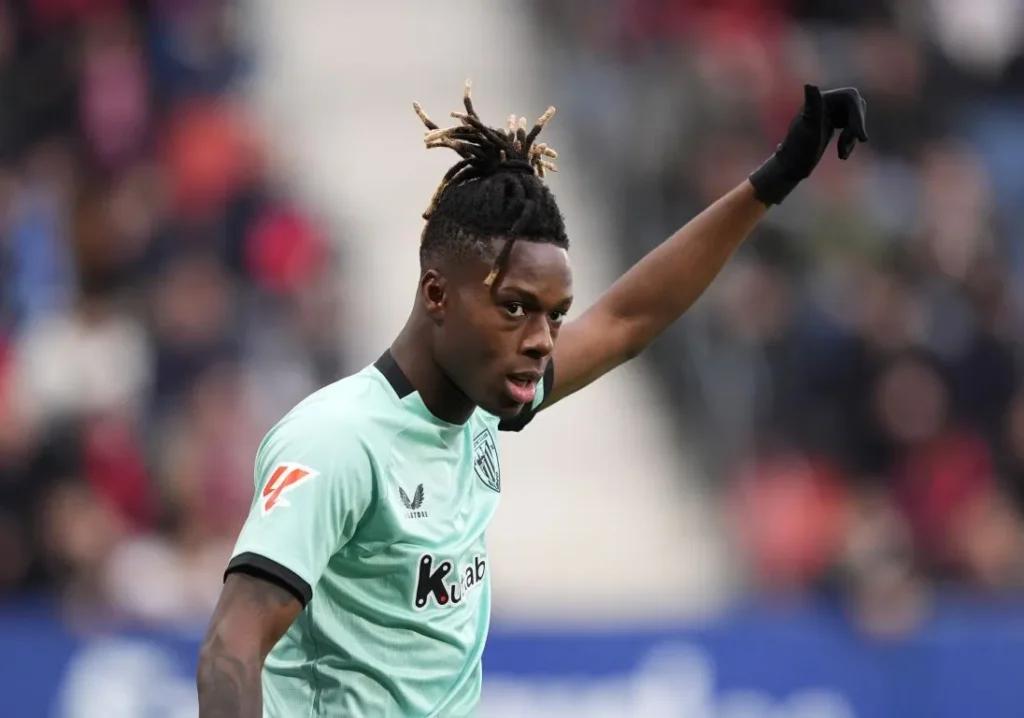
After considering Barcola’s vertical unpredictability, attention naturally shifts to Nico Williams, whose game is built on raw pace and relentless pressing. At 23, he already embodies many of the qualities that define the Reds’ high‑intensity ethos: explosive acceleration, direct dribbling, and a tireless defensive contribution. His ability to stretch defenses wide and then collapse space in transition makes him a natural fit for a system that thrives on chaos and quick turnovers.
What makes Williams particularly intriguing is his defensive work rate. He doesn’t just attack; he presses with conviction, forcing errors and creating opportunities higher up the pitch. This mirrors the structural demands of Anfield club, where wide forwards are expected to contribute as much off the ball as they do on it.
The concern, however, lies in his end product. While he consistently gets into dangerous positions, his finishing and final pass can lack precision. For the Merseysiders, that inconsistency is both a risk and an opportunity: under the right coaching, Williams could sharpen his decision‑making and evolve into a more ruthless attacker. His ceiling is high, and his profile suggests he could become a long‑term weapon if given time to refine, making him one of the more intriguing names in the conversation about a Mohamed Salah replacement.
Jarrod Bowen (West Ham United) – The Pragmatic Choice
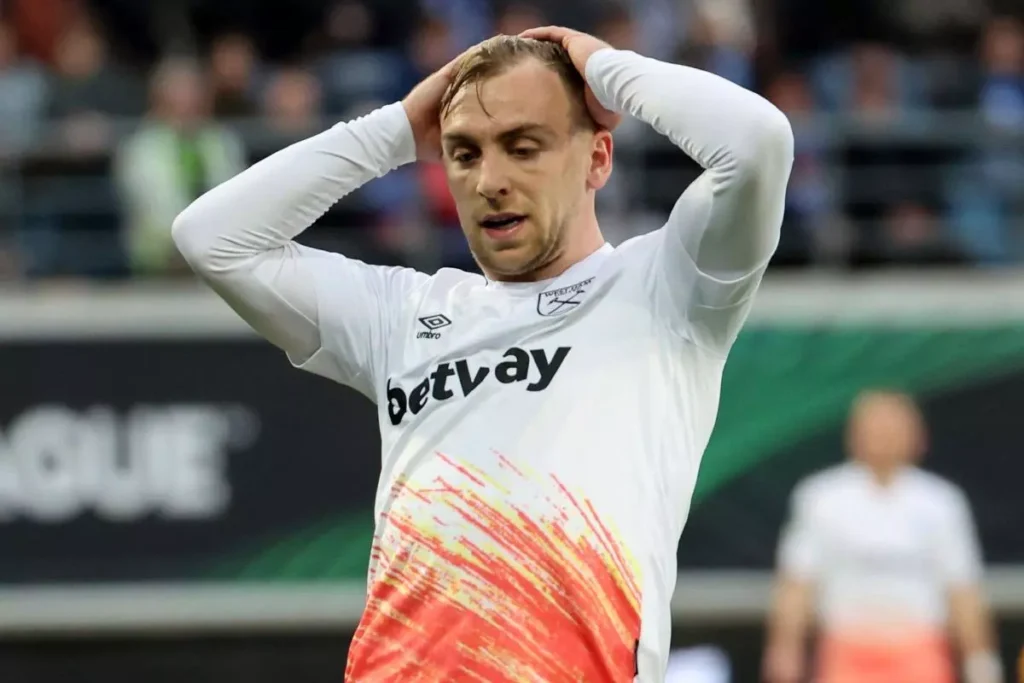
Bowen represents the most pragmatic option among the candidates. Premier League‑proven and tactically disciplined, he offers immediate reliability rather than long‑term transformation. His pressing intensity, positional awareness, and ability to track back make him a natural fit for the Anfield club, where wide forwards are expected to contribute defensively as much as they do in attack.
At 29, Bowen is not a long‑term successor, but his consistency makes him a short‑term solution who could deliver right away. He thrives in structured systems, understands the demands of English football, and has shown he can produce against top opposition. For the Reds, his appeal lies in stability: a player who would integrate seamlessly without requiring adaptation.
The drawback is clear, Bowen lacks the global aura and explosive unpredictability that defined the right‑flank for nearly a decade. Yet in the context of squad balance and immediate impact, he remains a sensible option in the ongoing search for a Mohamed Salah replacement.
Christian Pulisic (AC Milan) – The Versatile Gamble
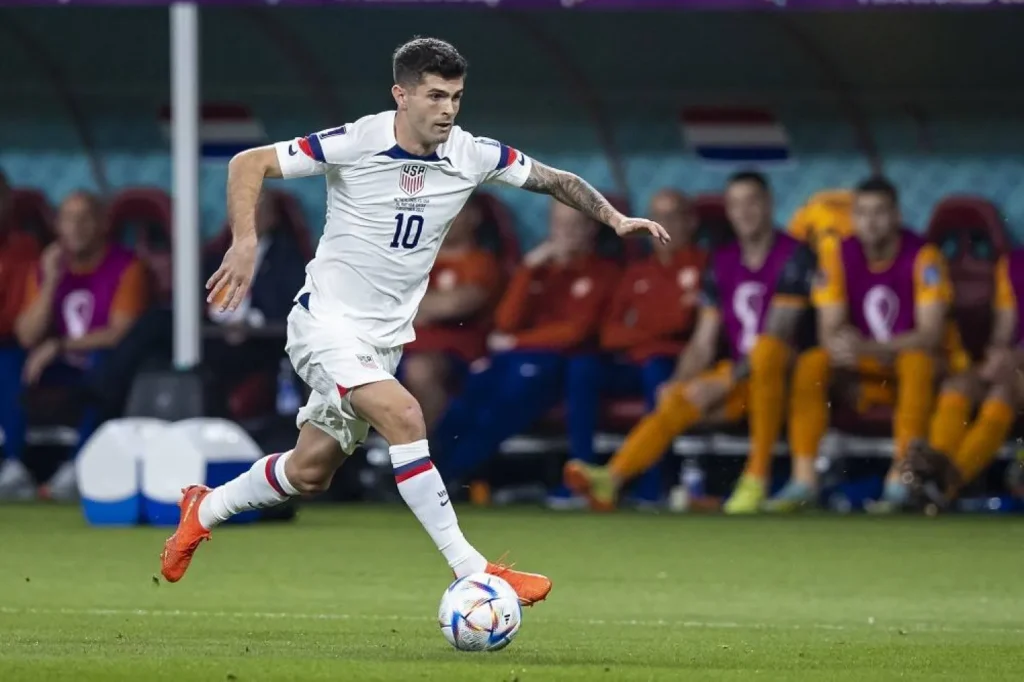
Christian Pulisic brings versatility and flair, making him one of the more intriguing names on the shortlist. At Milan, he has rediscovered confidence and rhythm, operating effectively across the front line and contributing both goals and creativity. His ability to drift between wide and central zones offers tactical flexibility, something Arne Slot’s side often values when breaking down stubborn defenses.
The American’s strengths lie in his close control, quick acceleration, and willingness to take responsibility in big moments. He can create chances out of nothing, and his leadership qualities add intangible value to any dressing room. For the Reds, this profile could provide a different dimension to the right‑flank, less about replicating the existing blueprint and more about diversifying attacking options.
The concern, however, is his injury record. Pulisic has struggled with consistency in the Premier League before, and any move would carry risk. Yet if he maintains fitness, he could offer a high‑upside solution — a player capable of injecting creativity and unpredictability into the attack, while still being considered in the broader conversation about a Mohamed Salah replacement.
Yan Diomande (RB Leipzig) – The Wildcard Prospect
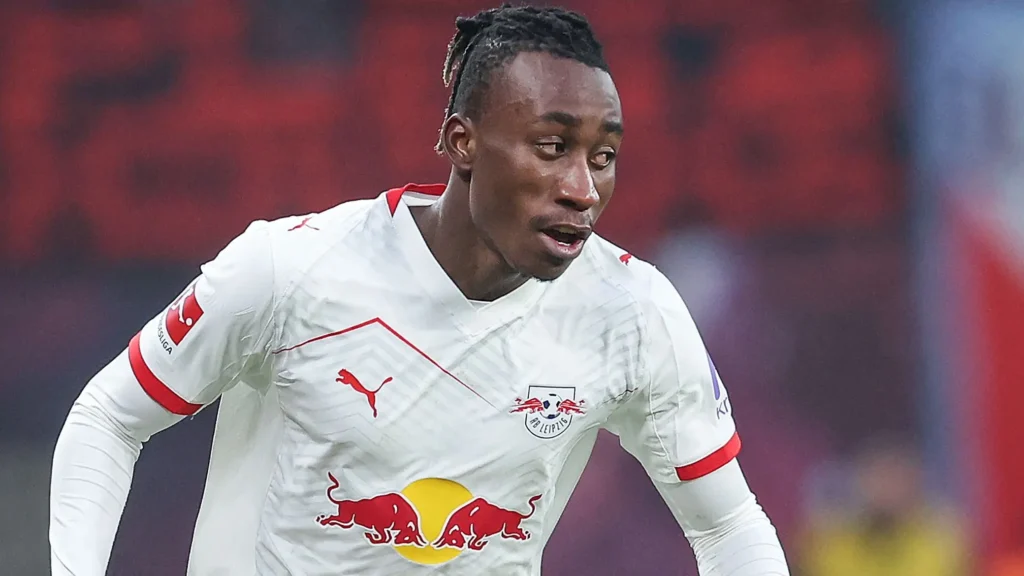
The final name on the shortlist is Yan Diomande, a player who represents pure potential rather than immediate certainty. At just 19, he is raw, unpredictable, and still learning the demands of elite football. His game is built on pace, dribbling flair, and the kind of fearlessness that unsettles defenders, qualities that evoke memories of a young forward breaking onto the scene with explosive energy.
For Arne Slot’s side, Diomande would not be a plug‑and‑play solution. He lacks the polished end product and tactical maturity required to step straight into a high‑stakes role at Anfield. Yet his ceiling is immense. Leipzig’s track record of nurturing young talent suggests he could develop into a devastating wide forward over time, especially in a system that thrives on intensity and transitional speed.
The risk is obvious: inconsistency, inexperience, and the need for patience. But the reward could be equally significant. Investing in Diomande would be a long‑term play, positioning the Merseysiders to uncover a future star who, with refinement, might one day be spoken of as a genuine replacement of Mohamed Salah .
Final Thoughts on Mohamed Salah Replacement
The shortlist reflects a balance between immediate stability and long‑term ambition. Some names, like Olise, offer a near‑seamless stylistic fit, while others such as Barcola or Diomande represent bold investments in unpredictability and future growth. The challenge for Arne Slot’s side is not simply replacing a legend, but ensuring the right‑flank continues to embody the intensity and attacking DNA that has defined the modern era at Anfield.