Soccer
Manchester City Strongest Predicted Lineup vs Sevilla in Champions League

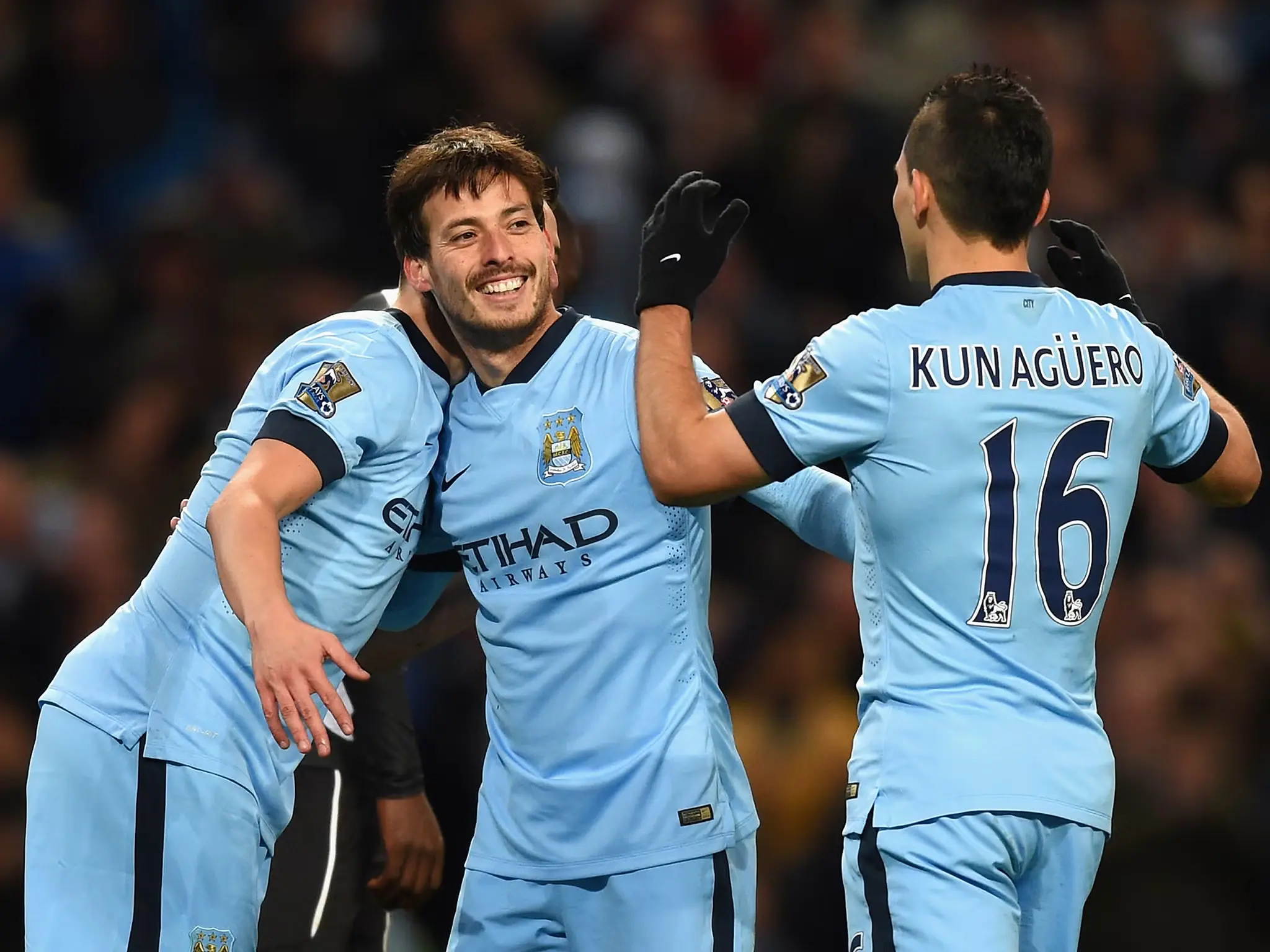
The Sky Blues arrive at their October 21, 2015 Champions League clash against Sevilla in buoyant mood, fresh from a commanding 6–1 victory over Bournemouth in the Premier League. Raheem Sterling’s first hat-trick for the club underscored the attacking depth available to Manuel Pellegrini, while Kevin De Bruyne’s seamless adaptation has added creative spark to the side. With Sergio Agüero and David Silva sidelined through injury, the strongest predicted Manchester City lineup reflects both enforced changes and tactical choices as the Premier League leaders aim to secure top spot in Group D at the Etihad Stadium.
Here, we take a look at how Pellegrini’s side could line up against Sevilla in this crucial European fixture.
Strongest Predicted Manchester City Lineup
Joe Hart: Goalkeeper
While Manchester City opened their account in this season’s Champions League with a dramatic 2–1 win away in Germany, it was Joe Hart who kept them alive with a string of crucial saves before Sergio Agüero leveled in injury time. On top of his game and widely regarded as the best goalkeeper in England at the time, Hart’s reflexes, shot-stopping, and vocal leadership made him indispensable. His ability to command the penalty area and organize the defence gave Pellegrini’s side confidence, and tonight he would once again be trusted to protect the goal for the Citizens against Sevilla’s dangerous attack.
Bacary Sagna: (Left-Back)
With Pablo Zabaleta fit again to reclaim his usual role on the right, Bacary Sagna might have expected to drop back to the bench. Yet Aleksandar Kolarov’s injury has opened the door for the Frenchman to start on the left side of defence tonight. Normally deployed at right-back, Sagna’s defensive discipline and positional awareness make him a trusted option in this reshuffled back line. He may not provide Kolarov’s attacking thrust, but his reliability and ability to shut down Sevilla’s wide threats could prove decisive in keeping City balanced at the back.
Pablo Zabaleta (Right-Back)
With his return from injury earlier this month, Pablo Zabaleta is expected to reclaim his place on the right side of defence tonight. The Argentine is renowned for his toughness, consistency, and tireless work rate, qualities that make him one of City’s most reliable performers. His overlapping runs provide width going forward, while his defensive grit ensures stability at the back. Against Sevilla’s lively wingers, Zabaleta’s experience and resilience could prove crucial in keeping City compact and disciplined on the flanks.
Vincent Kompany (Centre-Back, Captain)
All eyes will be on Vincent Kompany tonight as he leads Manchester City’s defence in this crucial Champions League clash. The Belgian captain brings authority, aerial dominance, and composure at the back, qualities that City have often missed during his injury spells. Kompany’s leadership is invaluable, not only in marshalling the back line but also in setting the tone for the team’s intensity. Against Sevilla’s physical forwards, his ability to win duels and organize the defence will be central to Citizens’ hopes of keeping control. Pellegrini will rely on his captain to provide both stability and inspiration under the lights at the Etihad.
Nicolás Otamendi (Centre-Back)
Alongside Kompany, Nicolás Otamendi is expected to start at the heart of City’s defence tonight. The Argentine brings aggression, tenacity, and a fearless approach to challenges, qualities that make him a natural partner for the captain. His proactive style of defending, stepping out to intercept and press opposition forwards adds bite to City’s back line. Against Sevilla’s physical strikers, Otamendi’s strength in duels and aerial ability will be vital, while his willingness to put his body on the line ensures Premier League giants have a warrior in defence. Pellegrini will count on his new signing to complement Kompany’s composure with raw intensity.
Fernandinho (Central Midfield)
Talking about players who never quite get the credit they deserve, Fernandinho surely tops that list. While he may not be as spectacular or headline-grabbing as his midfield partner Yaya Touré, the Brazilian is equally vital to balance strongest predicyed Manchester City lineup. His tireless energy, ability to break up play, and knack for driving transitions make him the engine of Pellegrini’s side. Against Sevilla, Fernandinho’s role will be to shield the defence, disrupt Éver Banega’s rhythm, and ensure City maintain control in midfield. If the Citizens are to push deep into Europe and challenge for the Premier League trophy next May, his understated influence will be just as important as the flair of City’s stars.
Yaya Touré (Central Midfield)
As epitomized by his interview to British newspapers earlier this week, Yaya Touré has made no secret of his unhappiness at Manchester City. Speculation continues to swirl that the Ivorian could leave the club at the end of the season, but for now his focus remains on delivering in Europe. Touré’s towering presence, surging runs, and ability to dictate tempo make him a unique weapon in Pellegrini’s midfield. While Fernandinho provides the steel, Touré offers the flair and vision to unlock defences. If City are to make a statement in the Champions League tonight, Touré’s influence in driving the team forward will be crucial — and a strong campaign in Europe might just ease his frustrations before any decision on his future.
Kevin De Bruyne (Attacking Midfield)
Settling into a new club is one thing, but taking the entire league by storm is another, and thankfully for Manchester City fans, Kevin De Bruyne has managed both since arriving in the summer. With 4 goals in his last 7 games, the Belgian playmaker has already established himself as one of the Premier League’s standout performers. His vision, passing range, and knack for arriving in decisive moments make him the creative heartbeat of Pellegrini’s side. Tonight, De Bruyne will be tasked with linking midfield to attack, supplying Sterling and Navas on the flanks, and supporting Bony up front. If his early form is anything to go by, he has all the traits to be considered the signing of the season — and Sevilla will be wary of his growing influence.
Raheem Sterling (Left Wing / Forward)
While Manuel Pellegrini experimented against Bournemouth at the weekend by deploying Sterling through the middle, it was an experiment that paid off spectacularly within the first 45 minutes. By half-time, Sterling had already scored a hat-trick, eventually finishing the game with four goals to his name. That performance not only silenced critics but also gave his manager a huge sigh of relief, proving that the young England international can deliver in big moments. Tonight, Sterling is expected to return to his more natural role on the left, where his pace, direct running, and eye for goal will be crucial in stretching Sevilla’s defence. With confidence flowing, he could be one of City’s most dangerous outlets under the lights at the Etihad.
Jesús Navas (Right Wing)
Not a player who finds himself in the good books of many Manchester City fans, Jesús Navas is nevertheless expected to start tonight. Injuries to creative outlets like David Silva and Samir Nasri have left Pellegrini short of options, and the Spaniard’s pace and width make him the natural choice on the right. While his end product has often been criticized, Navas remains capable of stretching defences and delivering dangerous balls into the box. Against his former club Sevilla, he will be eager to prove a point, and his direct running could provide the spark City need to unsettle the visitors.
Wilfried Bony (Striker)
Though he has waited a long time to truly get going in Manchester City colours, the absence of Sergio Agüero for an extended period gives Wilfried Bony another chance to impress his employers. The Ivorian forward offers physical presence, aerial strength, and the ability to hold up play, qualities that can bring City’s attacking midfielders into dangerous positions. Tonight, he will be tasked with leading the line against Sevilla, supported by the pace of Sterling and the creativity of De Bruyne. With confidence from his brace against Bournemouth, Bony will be eager to seize this opportunity and prove he can shoulder the responsibility in Agüero’s absence.
Think this strongest predicted Manchester City starting lineup can deliver in Champions League? Comment your Sevilla vs City scoreline!

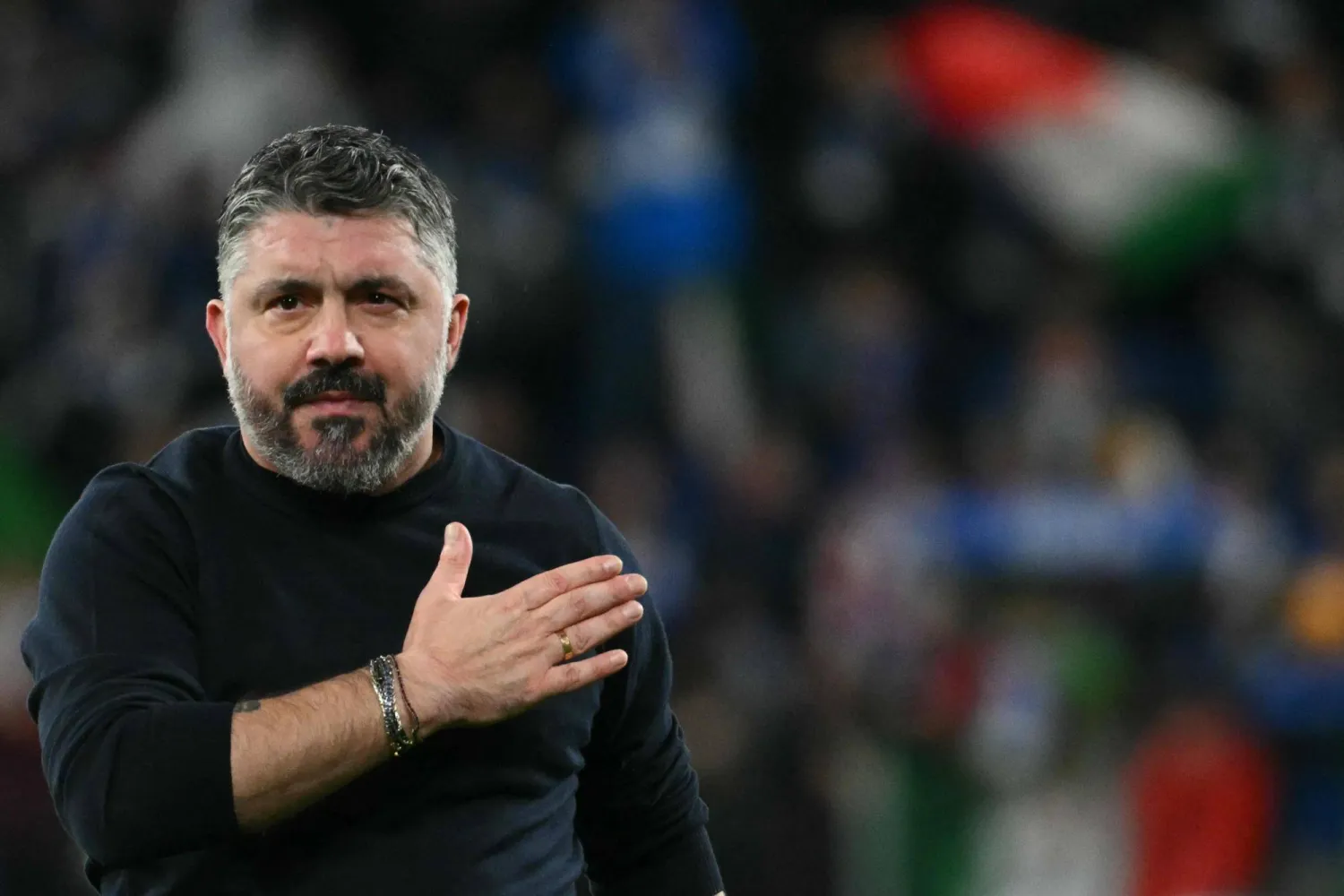
When Simon Sadler acquired Blackpool Football Club in June 2019, supporters welcomed the end of a turbulent era and looked forward to stability, transparency, and ambition. Seven years later, the club’s trajectory reflects both progress and persistent challenges. While Sadler’s custodianship has delivered professionalisation and community engagement, The Seasiders now face financial strain and a relegation battle in League One. This article examines the journey from early optimism to the realities of the 2025/26 campaign.
Simon Sadler and Blackpool: TheOptimistic Dawn:
Sadler, a local businessman and lifelong fan, assumed control at a time when Blackpool required urgent stabilisation. His early tenure was marked by decisive off‑field improvements: enhanced community initiatives, professional operational practices, and renewed engagement with supporters. These changes restored confidence and created a positive atmosphere at Bloomfield Road. Promotion to the Championship in the seasons that followed validated the optimism surrounding his takeover and suggested a new era of competitiveness.
On‑Field Journey: Promotion, Relegation, and the 2025/26 Campaign
The path since promotion has been uneven. Relegation from the Championship in 2023 returned Blackpool to League One, where they have remained for three consecutive seasons. The 2024/25 campaign ended with a respectable ninth‑place finish, narrowly missing the play‑offs.
The current season has been more testing. After 42 matches, Blackpool sit 20th with 13 wins, 9 draws, and 20 losses, accumulating 48 points and a goal difference of –16. Home performances have offered some stability, but away results have exposed vulnerabilities. With only a handful of fixtures remaining, survival is far from assured, and the club’s immediate priority is securing League One status for 2026/27.
Managerial Changes and Tactical Outlook
Managerial transitions have reflected the demands of the campaign. Steve Bruce’s tenure ended in October 2025 after a poor start. Ian Evatt, a former Blackpool player with League One experience, was appointed on a contract running until June 2028. His return brought familiarity and tactical continuity, but consistency has remained elusive. Injuries and squad adjustments have disrupted progress, leaving Evatt with the challenge of stabilising performances in the season’s final weeks. His leadership will be central to determining whether Blackpool avoid relegation.
Financial Realities
The accounts for the year ending June 2025, filed in March 2026, reveal the scale of financial pressures. The club reported a pre‑tax loss of £4.3 million, with revenue declining 9.1% to £8.8 million. Wages amounted to £9.95 million, exceeding income, while reductions in matchday revenue, prize money, and commercial streams contributed to the shortfall. Net liabilities stand at £14.8 million.
Simon Sadler has continued to provide substantial support to Blackpool, with loans reaching £25.4 million through associated entities. This funding has been essential in maintaining operations and avoiding deeper distress. In the context of League One economics, such commitment from a local owner merits acknowledgment, though it also highlights the structural challenges facing clubs outside the top tiers.
Auditors’ Concerns
Auditors noted a material uncertainty regarding the club’s ability to continue as a going concern, explicitly linked to reliance on owner funding. While Sadler’s investment has bridged the gap, the warning underscores the need for improved performance and revenue generation. Without greater financial resilience, dependence on personal loans will remain a risk.
External Factors
Separate legal matters involving Sadler in Hong Kong have added external considerations. He faces charges related to alleged insider dealing from 2017 trades, to which he has pleaded not guilty. The criminal trial is scheduled to commence on 4 May 2026. Club accounts reference these proceedings, though they have not directly interrupted operations. Supporters and stakeholders will monitor developments closely, aware that outcomes could influence perceptions of ownership stability.
Ownership Stability
Despite speculation, Sadler has indicated he is not actively seeking to sell the club, though he remains open to proposals that serve long‑term interests. His communication with supporters has been consistent, emphasising unity during difficult periods and offering incentives to boost attendances. This measured approach reflects a commitment to stewardship rather than short‑term exit strategies.
Community Impact
Community engagement has remained a strength throughout Sadler’s tenure. Initiatives launched under his ownership continue to benefit local supporters, and the bond between town and club endures despite on‑pitch struggles. Attendances have fluctuated with results, but loyalty remains evident. This connection represents one of Blackpool’s most valuable assets, reinforcing the club’s identity and resilience.
Challenges and Opportunities
Operating in League One presents inherent difficulties: limited revenue streams, intense competition, and the absence of consistent higher‑tier income. Blackpool’s experience under Sadler illustrates both progress—professionalisation, infrastructure investment, and avoidance of decline—and the realities of financial dependence.
Opportunities exist in commercial development, stadium and training facility enhancements, youth pathways, and diversified revenue sources. Achieving greater consistency on the pitch would support these efforts, easing financial pressures and strengthening sustainability. The challenge lies in balancing ambition with realism, ensuring that investment translates into competitive success without overextending resources.
Conclusion: A Realistic Assessment
Current ownership has delivered stabilisation compared with the preceding era. The club operates more professionally, maintains strong community ties, and has avoided existential threats. Yet the journey has not fulfilled the sustained success many anticipated in 2019. Current struggles in League One, combined with financial dependence, highlight the demanding nature of EFL football.
The immediate task is survival. Beyond securing League One status, the focus must shift toward building operational resilience and reducing reliance on owner funding. With careful stewardship, improved results, and continued supporter backing, Blackpool retain the potential to establish a more sustainable and ambitious future.
Simon Sadler as custodian of Blackpool is a story of measured progress amid realistic constraints. It reminds us of the complexities facing many lower‑league clubs, where owner commitment often provides the foundation for survival and, with the right conditions, eventual growth.
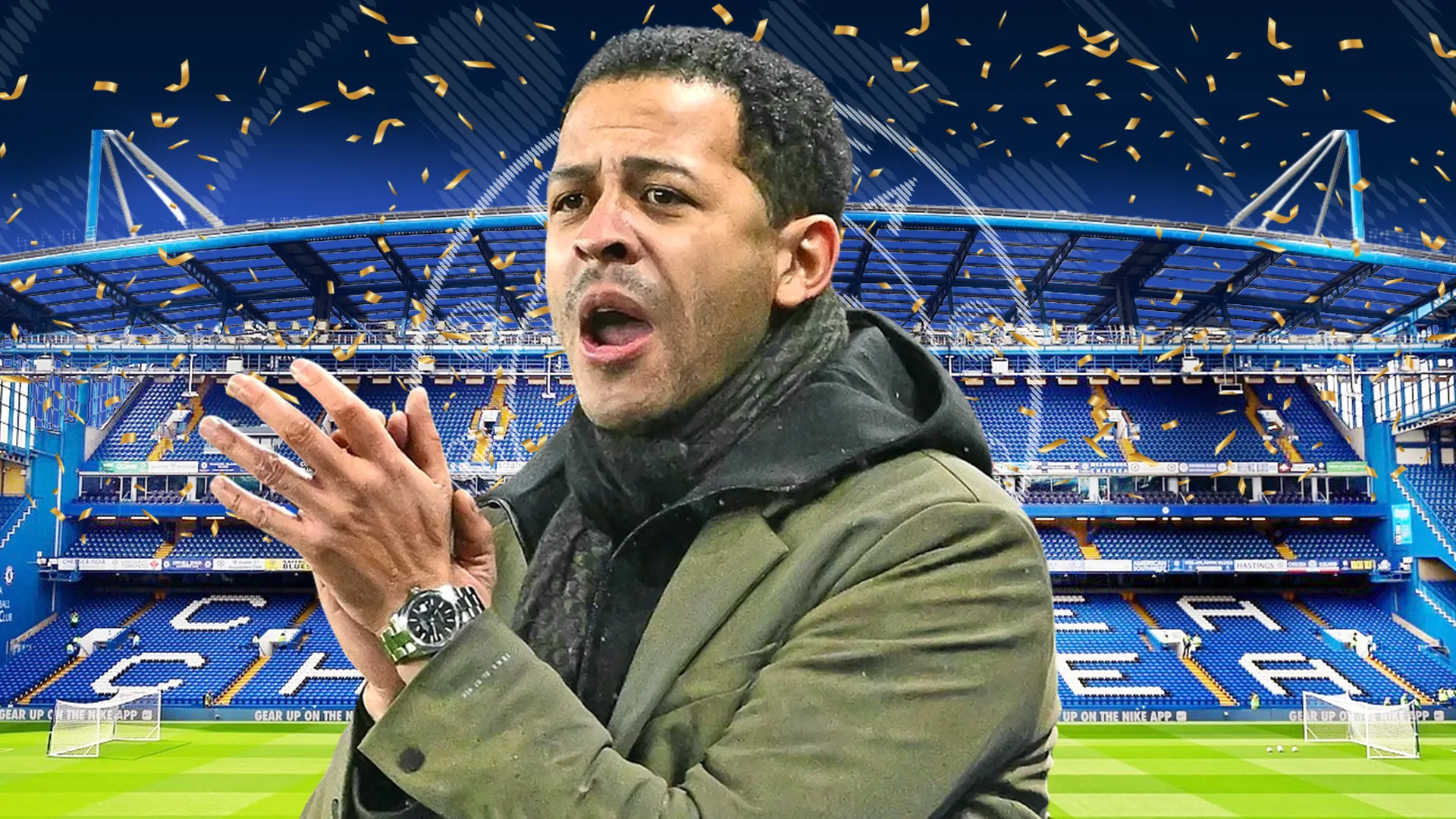
Chelsea hopes for a top four finish hang in balance as the Premier League season enters its decisive phase. The Blues sit sixth with 48 points from 31 matches: 13 wins, nine draws and nine defeats, with a goal difference of +15. They remain within reach of the Champions League places, yet recurring flaws have stalled momentum at crucial moments.
Seven fixtures remain, including daunting home ties against Manchester City and Manchester United. The margin for error is minimal; Chelsea have shown they can rise to big occasions, yet too often points have been squandered against compact, lower‑table sides. Cole Palmer continues to carry the creative burden, but over‑reliance on the England international is now a glaring vulnerability as opponents increasingly crowd him out.
Can Chelsea Still Make the Top Four?
The answer is yes, but only if Rosenior’s side act decisively. With 48 points, The Blues are still in the race, but every slip now carries heavy consequences. Converting stalemates into wins and cutting out late collapses will determine whether Stamford Bridge hosts Champions League nights next season.
How Can Chelsea Stop Conceding Late Goals?
The late‑goal crisis has become Chelsea’s Achilles heel. Leads have been surrendered, momentum lost, and points thrown away. A high defensive line and sluggish recovery in transition have been central to the problem. Rosenior has already emphasised defensive discipline, but sharper execution is needed: dropping the line by a few metres against pace‑heavy opponents, demanding quicker recovery from full‑backs, and assigning a dedicated midfield pivot to screen runs in behind. Training sessions should replicate the final 15 minutes of matches, drilling concentration under fatigue. Even a modest reduction in late concessions could transform draws into victories.
What Tactical Changes Will Help Chelsea Break Low Blocks?
Chelsea’s possession dominance has too often been sterile. Against deep‑lying defences, the ball circulates without incision, leaving the Blues frustrated and vulnerable. Rosenior has spoken about the need for variety. Two clear attacking templates are required: wide overloads with early cut‑backs, and vertical switches exploiting third‑man runs. Wingers and full‑backs must have defined roles, creating repeatable attacking patterns. Set‑pieces and quick restarts should be treated as weapons rather than afterthoughts. Mastering these approaches could turn two or three draws into wins potentially yielding six points that may prove decisive in the final standings.
Who Can Score Besides Cole Palmer?
Palmer has been a standout performer for his team, with nine league goals and one assist in 20 appearances. But opponents are increasingly crowding him out, exposing the lack of alternative creators. The real challenge for recently appointed coach is to diversify the threat. Midfield runners and overlapping full‑backs must share responsibility, while service into João Pedro and Liam Delap needs refinement. Cup fixtures should be used to build confidence in secondary scorers, and attacking patterns that function without Palmer as the focal point must be rehearsed. Developing at least one additional double‑digit scorer would make Chelsea far less predictable and significantly harder to defend.
What Is Chelsea’s Rotation Plan for the Run‑In?
The schedule is unforgiving: City on April 12, United on April 18, then Brighton away. Effective workload management is non‑negotiable. Rosenior has already hinted at a structured rotation policy, limiting key starters to around 70 per cent of available minutes and integrating academy talent in domestic cup fixtures. Full‑back roles must be simplified to reduce fatigue, and metrics reviewed weekly: late goals conceded, shots in the box, Palmer’s share of goal contributions, and minutes distribution. A clear 30‑day plan with defensive adjustments in week one, low‑block drills in week two, simplified roles in week three, and a full review in week four would provide clarity and accountability.
Final Assessment
Chelsea do not require wholesale changes or emergency signings to salvage their top four bid in Premier League 2026. What they need is greater discipline, sharper tactical execution, and consistent repetition of improved habits in defence, attacking patterns and squad management. Under Liam Rosenior, the blueprint is clear: tighten the defence in the latter stages, learn to unlock low blocks more effectively, and spread creative and goalscoring responsibilities more evenly.
The coming weeks will be telling. Apply these fixes with urgency and Chelsea can still secure the European football their squad quality merits. Fail to act decisively and frustration will linger at Stamford Bridge.
Can Chelsea climb up the Premier League ladder and secure a Top Four spot? Drop your thoughts below.
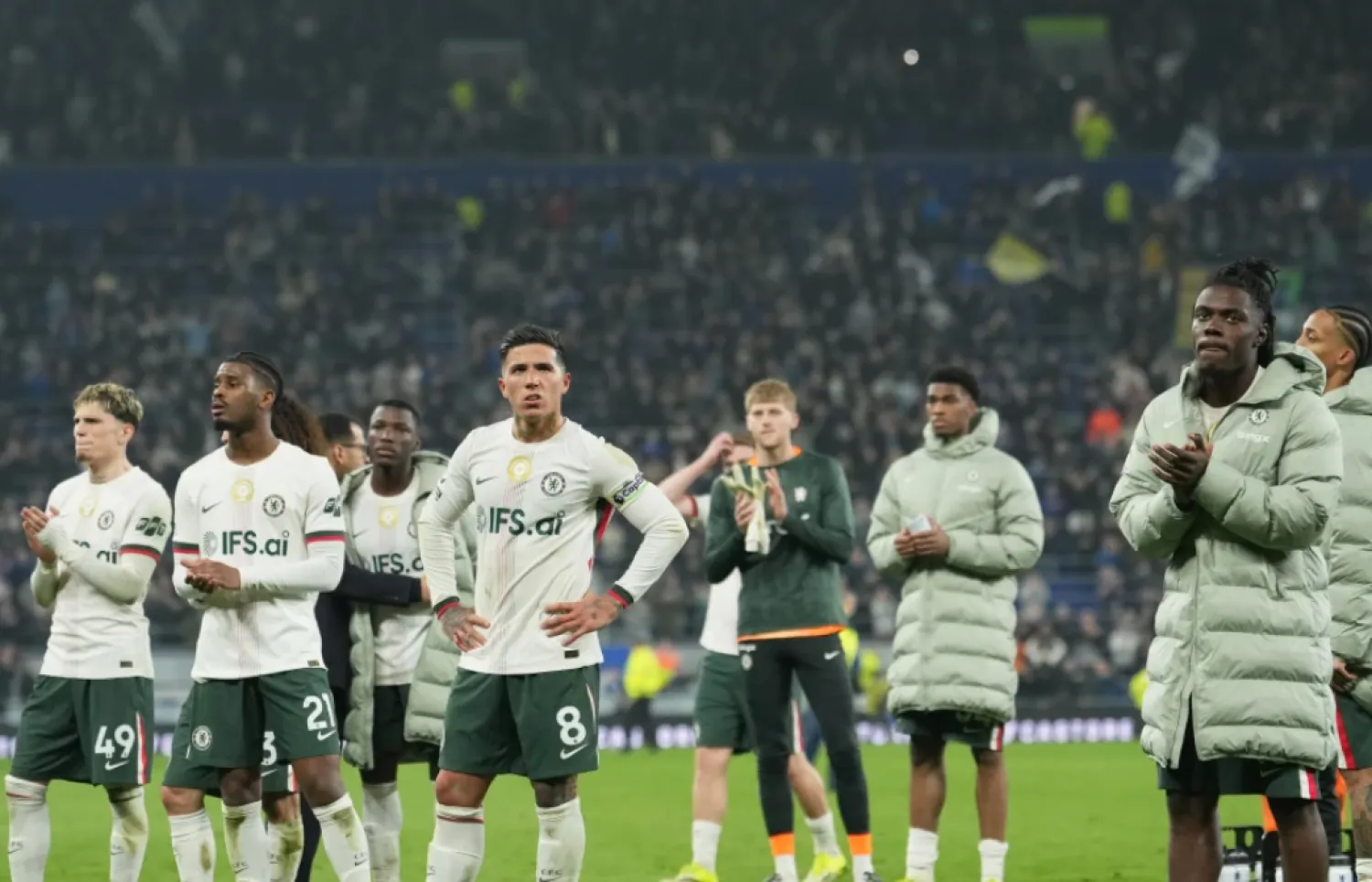
Can Chelsea qualify for Champions League 2026‑27? That is the defining question of the Blues’ campaign, a season balanced precariously between promise and frustration. Sixth in the Premier League with 48 points from 31 matches, the Londoners remain within striking distance of Europe’s elite stage. For supporters, qualification represents more than a target — it is a restoration of identity, a return to nights that have long symbolised Stamford Bridge’s stature.
The January arrival of Liam Rosenior injected renewed belief, his tactical framework and disciplined injury management strategy prioritising internal solutions over costly reinforcements. The challenge now is whether this recalibrated approach can deliver the resilience required to transform potential into a top‑four finish.
Core Challenges: Consistency, Injury Management, and Cohesion
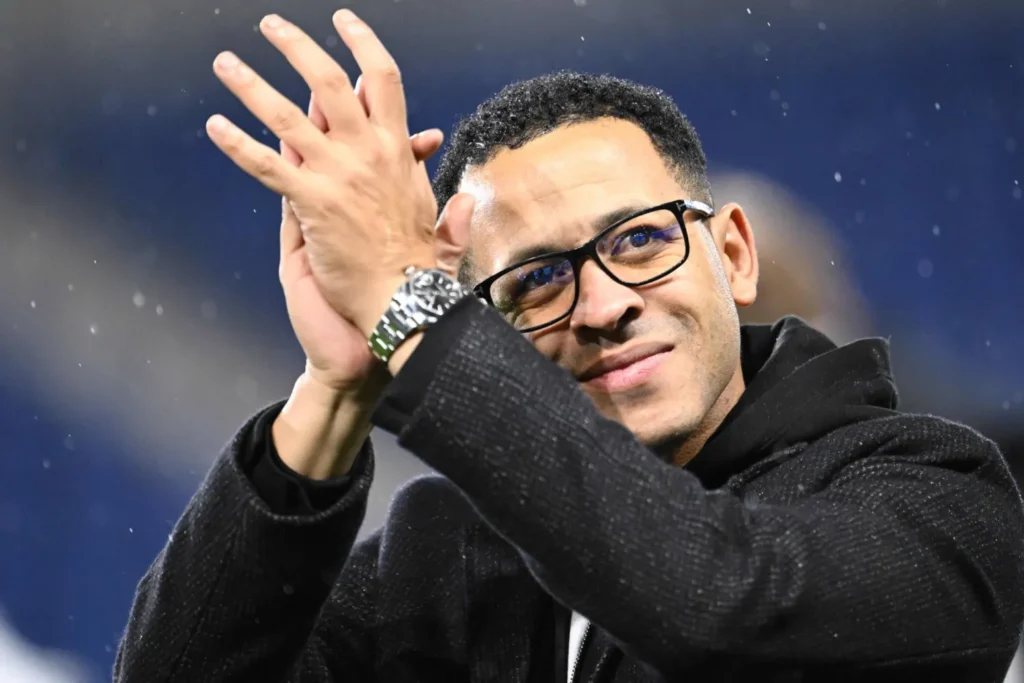
Chelsea’s pursuit of Champions League football has been shaped as much by obstacles as by opportunities. Despite flashes of brilliance, the Blues have struggled to sustain momentum in the Premier League top four race, dropping points against mid‑table opposition that should have been routine victories.
This inconsistency has become the defining frustration of the campaign. While Cole Palmer’s creativity, Enzo Fernández’s midfield control, and Moisés Caicedo’s defensive balance have provided moments of quality, lapses in concentration and defensive frailties have undone progress.
Compounding the issue is the burden of injuries. The long‑awaited Reece James return and Levi Colwill’s recovery remain pivotal to restoring stability, yet the broader challenge of squad rotation has forced Rosenior into constant adjustments. His tactical framework has brought structure, but cohesion under new leadership takes time to embed.
Sustainable Strategy for the Run‑In
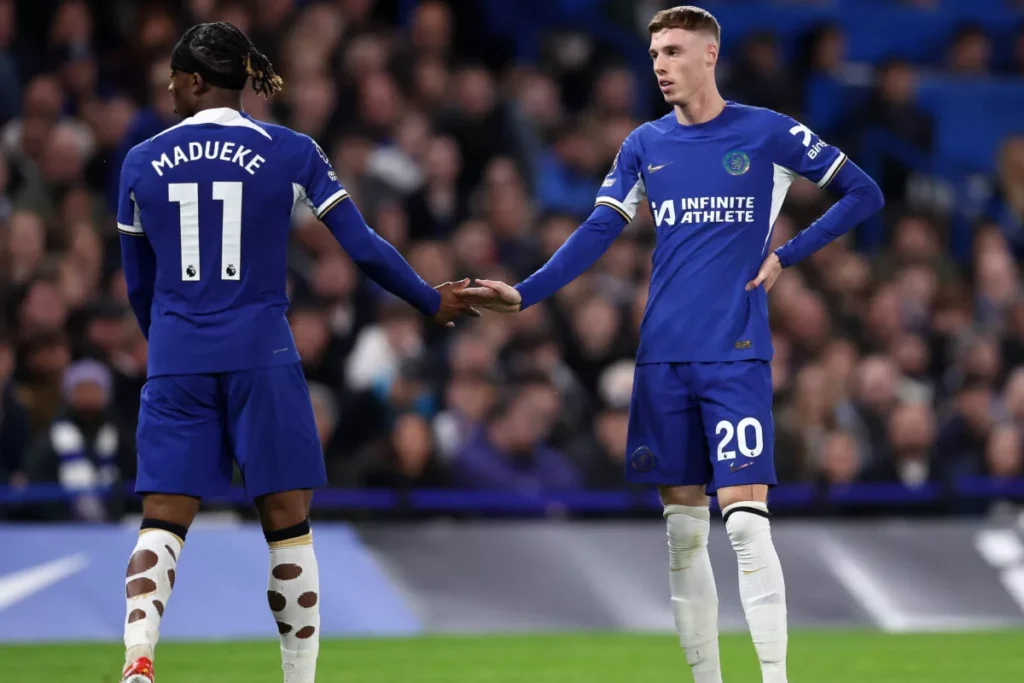
The defining question will be answered in the season’s final stretch. With seven matches remaining, Chelsea must convert potential into points through disciplined execution and tactical clarity. Rosenior’s blueprint has stabilised identity and restored belief, but the margin for error is slim.
The strategy relies on the influence of core performers, ensuring attacking output translates into consistent victories. Injuries remain decisive, but structured recovery protocols and prudent rotation offer a path to competitiveness without risking setbacks. Cohesion under new leadership must now evolve into shared belief, with dressing‑room leadership and on‑pitch communication determining whether momentum can be sustained.
Rather than relying on external reinforcements, Rosenior has prioritised internal optimisation. Selective integration of academy prospects offers unpredictability and energy, while established performers provide the backbone. This sustainable model aligns with Chelsea’s long‑term ambitions while addressing immediate needs, giving the club a realistic path to Europe’s elite stage if execution matches intent.
Final Thoughts on Can Chelsea Qualify for Champions League?
Can Chelsea qualify for Champions League 2026‑27? The answer will be written in the season’s closing weeks. The newly appointed manager has given the side structure and belief, but only sustained consistency can turn promise into reality.
For supporters, qualification is about restoring prestige; for analysts, it is about delivering results when they matter most. The run‑in will decide whether Stamford Bridge reclaims its place among Europe’s giants.

 Opinios5 years ago
From Sancho to Varane: Why United Still Need a Midfielder
- Transfer Analysis5 years ago
Should Robert Lewandowski Look to Leave Bayern Munich?

 Opinios2 weeks ago
Eberechi Eze Injury: A Manageable Setback or a Season-Defining Blow?
- Opinios2 days ago
Blackpool FC Under Simon Sadler: From Early Hope To Relegation Fight
- Transfer Analysis2 weeks ago
Iconic Mohamed Salah Leaving Liverpool – Saudi Pro League Next?

 Soccer2 weeks ago
Mohamed Salah Replacement Contenders Who Match Liverpool’s Tactical DNA
- Soccer3 days ago
Chelsea Top Four Bid Alive but Fragile: 3 Fixes to Rescue Season
- Soccer3 years ago
Virgil van Dijk vs Kalidou Koulibaly: Who Is Overrated Among Premier League Defenders