
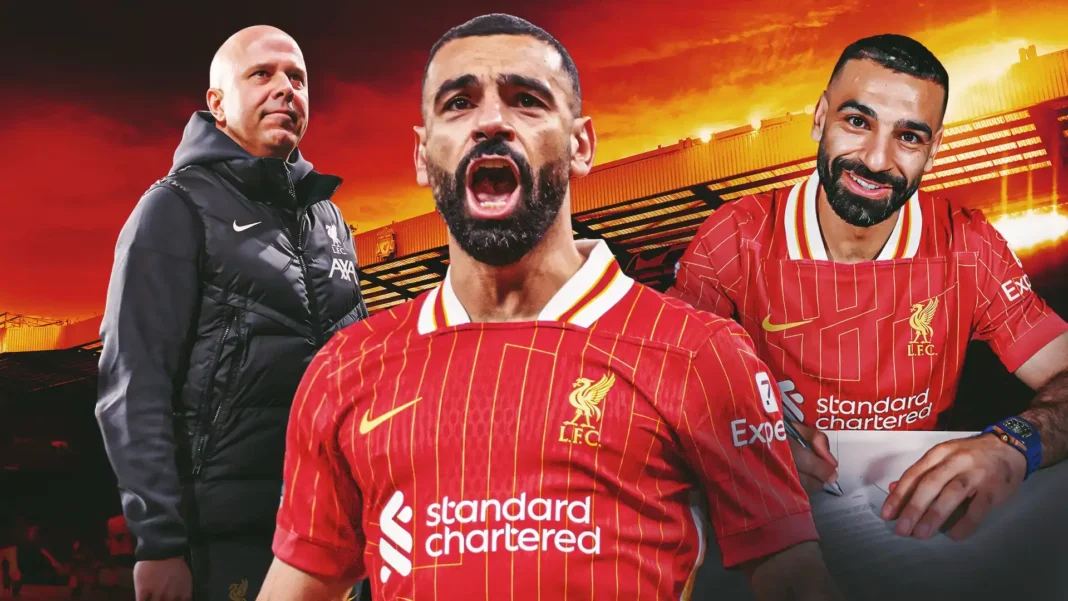

Mohamed Salah, one of the most electrifying and prolific players of his generation, has already cemented his legacy as a footballing icon at Liverpool. Yet football history is filled with golden eras defined by Pelé’s genius, Maradona’s flair, and Cruyff’s tactical brilliance. Imagine if the Egyptian King had been born in those times, how would his pace, skill, and intelligence have reshaped the game?
From the pioneers of the 1950s to the artistry of the 1970s, the dribbling magic of the 1980s, and the Galácticos of the 2000s, Salah’s unique qualities would have made him a star in any age. His adaptability across systems, ruthless finishing, and relentless work ethic invite us to picture a legacy that transcends generations.
This is the story of how Mohamed Salah would have lit up football’s golden ages and why his name belongs in the same breath as Pelé, Maradona, Cruyff, and Ronaldo.
The 1950s: The Dawn of Modern Football
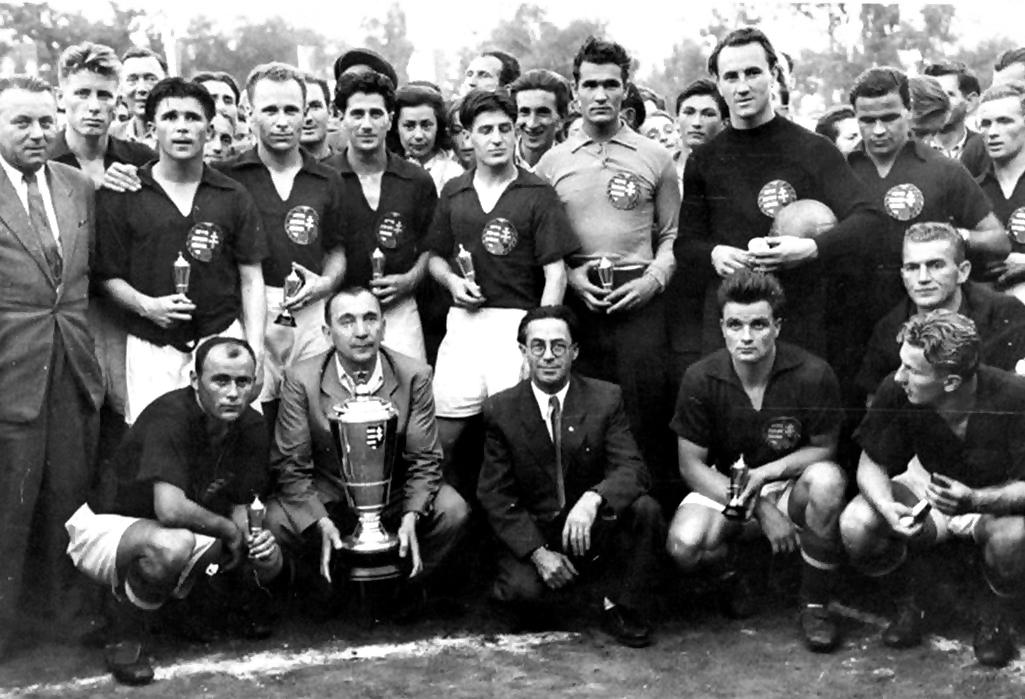
The 1950s marked a turning point in football’s evolution. The game was moving away from its rudimentary roots toward a more tactical, team‑oriented sport. This was the decade of Brazil’s legendary “Golden Team,” with Garrincha dazzling on the wing and a young Pelé beginning his ascent, while Hungary’s Mighty Magyars, led by Ferenc Puskás, redefined attacking football with fluid movement and lethal finishing.
Into this landscape, imagine Mohamed Salah. His blistering pace and sharp dribbling would have been revolutionary in an era where defenders were slower, less technically refined, and often rigid in their positioning. On Hungary’s flank, Salah’s speed would have perfectly complemented Puskás’ vision, creating a devastating partnership that stretched defenses and punished them on the counter. His ability to exploit space would have added a new dimension to Hungary’s already innovative style, making their attacks even more unpredictable.
In Brazil, Salah’s direct running would have meshed seamlessly with Garrincha’s trickery and Pelé’s genius. While Garrincha toyed with defenders, Salah could have been the cutting edge — the player who turned half‑chances into goals with ruthless efficiency. His clinical finishing would have elevated him into the conversation with the world’s top scorers of the time, alongside Alfredo Di Stéfano and Puskás.
In many ways, the Mohamed Salah legacy would have begun decades earlier, as his pace and finishing could have reshaped the tactical landscape of the 1950s, forcing managers to rethink defensive systems and accelerating the dawn of modern football.
The 1970s: Total Football and Tactical Freedom
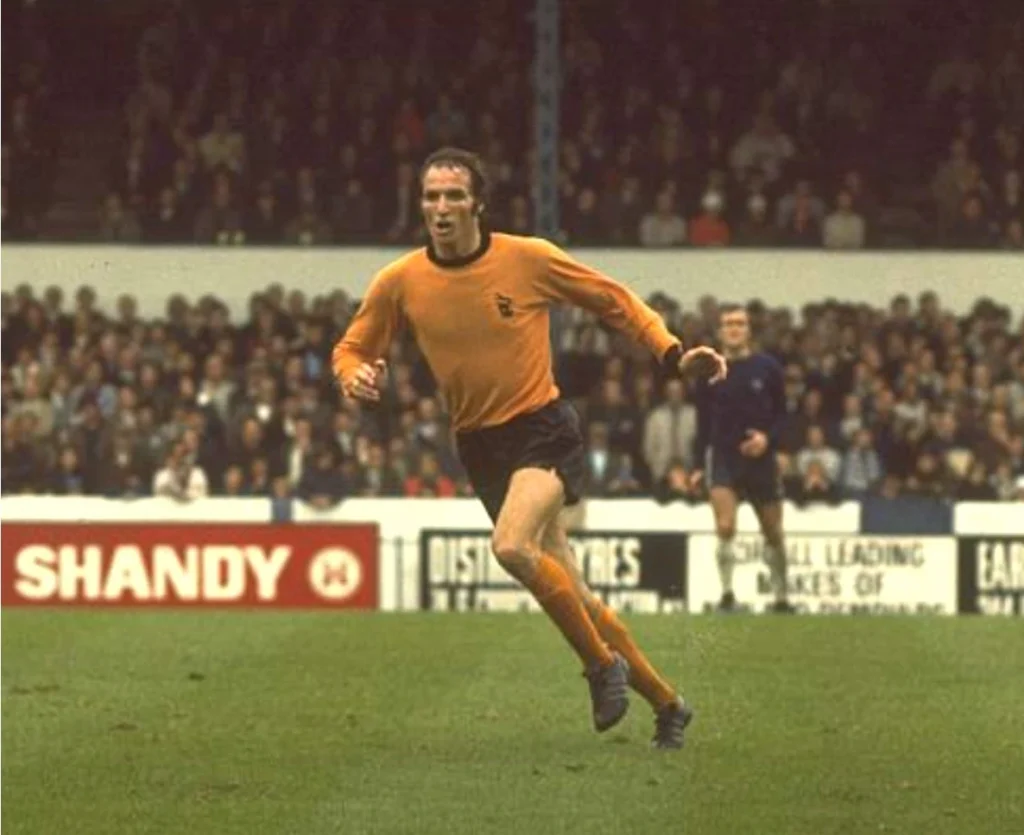
The 1970s were defined by the revolutionary style of Total Football, pioneered by Ajax and the Netherlands under Johan Cruyff. This was an era where rigid positions dissolved into fluid movement, intricate passing, and relentless pressing. Players like Cruyff, Pelé, and George Best rewrote the rules of attacking football, creating a stage where creativity and versatility were prized above all else.
Into this tactical revolution, imagine Mohamed Salah. His blistering pace and impeccable dribbling would have thrived in Ajax’s system, where every player was expected to adapt and interchange roles. Salah’s ability to play across the front line would have allowed him to roam freely, stretching defenses and exploiting spaces that Cruyff orchestrated with visionary precision. In a side built on tactical freedom, Salah’s directness would have been the perfect counterbalance to Cruyff’s artistry, a blend of chaos and control that could dismantle even the most disciplined defenses.
Beyond Europe, Pelé was still the global icon, fresh from dominating the 1970 World Cup. A partnership between Pelé and Salah would have been devastating: Pelé’s playmaking vision combined with Salah’s speed and finishing would have redefined attacking dynamics. While defenders of the 1970s were more physical and uncompromising, Salah’s low center of gravity, exceptional fitness, and resilience would have allowed him to withstand the era’s rougher challenges, turning physical duels into opportunities for explosive counter‑attacks.
In many ways, the Mohamed Salah legacy would have been perfectly aligned with the spirit of Total Football. His adaptability across positions, his relentless pressing, and his ability to inject pace into structured systems would have made him not just a participant in the revolution, but one of its defining figures.
The 1980s: A Golden Age of Dribblers and Visionaries
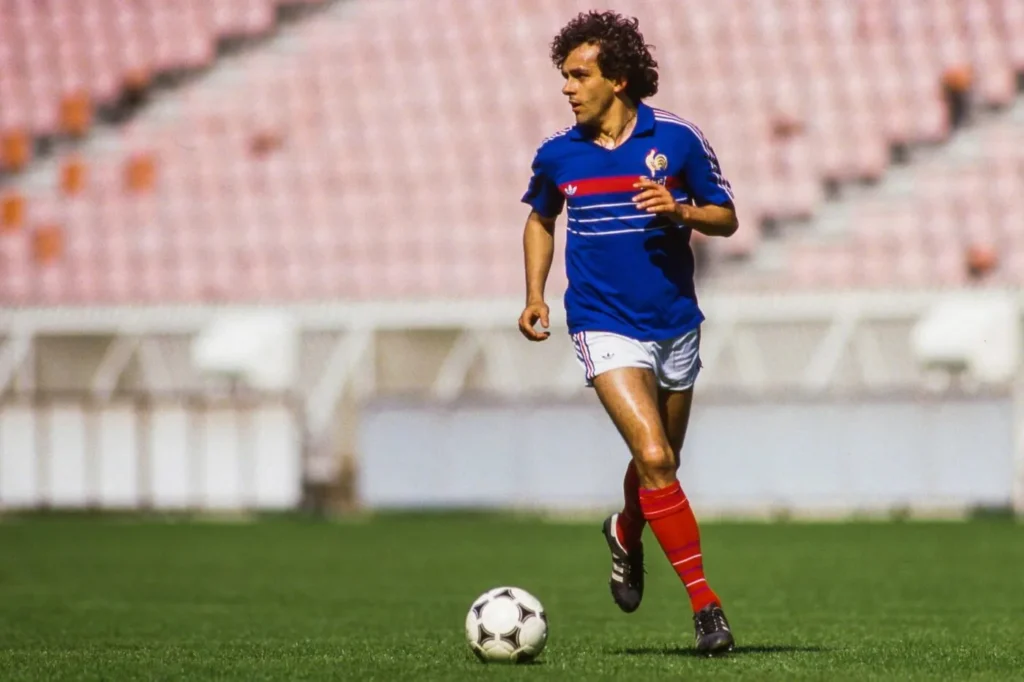
The 1980s were a decade defined by artistry and flair. Football was alive with the genius of Diego Maradona, the elegance of Michel Platini, and the intelligence of Kenny Dalglish. Individual brilliance fused with team play, creating a golden age of attacking football. Into this vibrant landscape, Mohamed Salah’s pace, technical precision, and relentless drive would have slotted seamlessly.
Picture Salah lining up alongside Dalglish at Liverpool. His cutting runs from the wing would have dovetailed with Dalglish’s playmaking, forming one of the most dangerous attacking partnerships in Anfield’s storied history. Or imagine him in Maradona’s Argentina during the 1986 World Cup, Salah’s counter‑attacking speed would have been the perfect foil to Maradona’s vision, unlocking defenses with devastating effect. Together, they could have produced a blend of chaos and control that defined matches.
The 1980s also saw Pelé in his later years, still influencing the global stage. A thrilling attacking quartet of Salah, Maradona, Platini, and Pelé would have been a nightmare for defenders — a fusion of flair, vision, and ruthless finishing. Salah’s adaptability would have allowed him to thrive in this creative environment, taking full advantage of the space generated by Maradona’s dribbling and Platini’s orchestration.
Yet this was also an era of uncompromising physicality. Defenders were notorious for rough challenges, and the game was often played on heavy pitches that tested resilience. Salah’s low center of gravity, quick thinking, and ability to evade tackles would have made him a nightmare for defenders, turning physical duels into opportunities for explosive transitions.
In many ways, the Mohamed Salah legacy would have been amplified in the 1980s. His ability to combine speed with intelligence, flair with efficiency, would have placed him among the decade’s greats — a player capable of matching Maradona’s magic with his own brand of devastating directness.
The 1990s: Striking Partnerships and the Birth of the Modern Forward
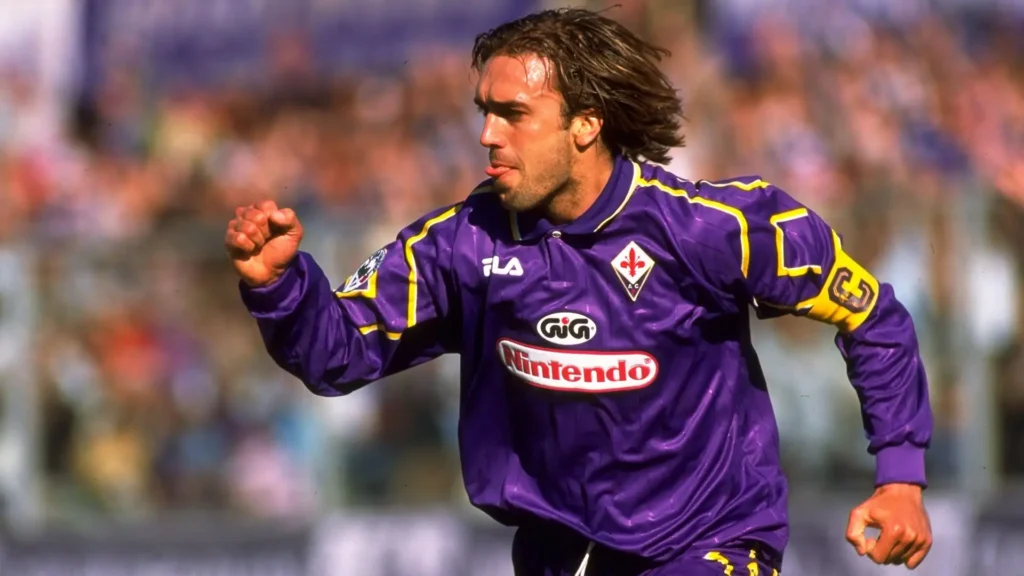
The 1990s ushered in an era of tactical sophistication and superstar strikers. The 4‑4‑2 system dominated Europe, demanding forwards who were complete players; able to score, create, and press. Icons like Ronaldo Nazário, Roberto Baggio, and Gabriel Batistuta defined the decade, while defenders such as Paolo Maldini and Alessandro Nesta raised the bar for defensive excellence.
Into this landscape, Mohamed Salah would have been a natural fit. His pace and goal‑scoring instinct would have made him a fixture in any top European club. Imagine Salah partnering Ronaldo Nazário at Inter Milan: Ronaldo’s explosive finishing complemented by Salah’s wide runs and incisive dribbles would have created one of the most lethal attacking duos of the decade. Alternatively, under Arsène Wenger at Arsenal, Salah’s ability to drift wide and cut inside would have thrived in a system that valued fluidity and attacking flair, making him a cornerstone of Wenger’s revolution.
Facing defenders like Maldini and Nesta would have tested Salah’s resilience, but his sharp decision‑making and ability to exploit space would have kept him among the elite. His relentless pressing and link‑up play would have been invaluable in a decade where work rate was just as important as flair. Salah’s adaptability across roles — winger, second striker, or wide forward — would have made him indispensable in the tactical arms race of the 1990s.
In many ways, the Mohamed Salah legacy would have been shaped by this decade’s demand for complete forwards. His blend of speed, intelligence, and tireless work ethic would have placed him alongside Ronaldo, Baggio, and Batistuta as one of the era’s defining attackers, bridging the gap between traditional strikers and the modern forward we know today.
The 2000s: The Galácticos Era and Explosive Attacks
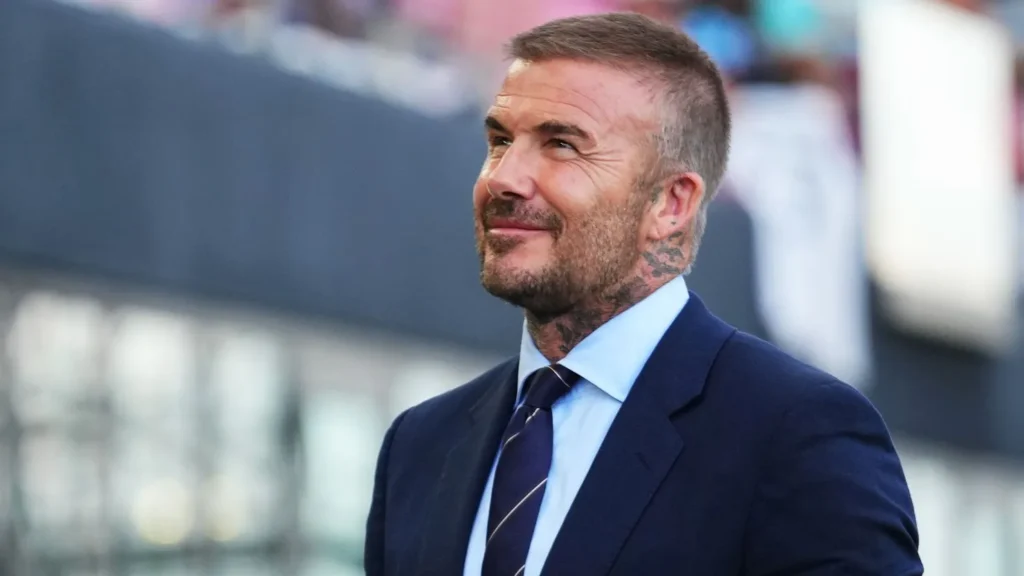
The 2000s were defined by spectacle and star power. Real Madrid’s Galácticos including Zinedine Zidane, Ronaldo Luís Nazário, David Beckham, and later Cristiano Ronaldo turned football into a global entertainment brand. Meanwhile, the Premier League was rising as the most competitive league in the world, with Thierry Henry dazzling for Arsenal’s “Invincibles,” Frank Lampard orchestrating Chelsea’s midfield, and Cristiano Ronaldo beginning his ascent at Manchester United. The game was faster, more dynamic, and more global than ever before.
In this era, Mohamed Salah’s place would have been assured. His explosive pace and ruthless finishing would have thrived in counter‑attacking systems, but also in possession‑based teams that valued fluid movement. Imagine Salah forming an attacking trio with Zidane and Ronaldo at Madrid — Zidane threading passes, Ronaldo drawing defenders, and Salah slicing through with devastating runs. At Arsenal, his speed and goal‑scoring instinct would have dovetailed perfectly with Henry’s artistry, creating a partnership that could have redefined the Premier League’s attacking standards.
The 2000s also marked the rise of football’s global reach. With television, sponsorships, and marketing expanding the sport’s footprint, Salah’s stardom would have transcended club football. His charisma and consistency would have matched the likes of Cristiano Ronaldo in terms of popularity and influence, ensuring his name was recognized not just in Europe but across Asia, Africa, and the Americas.
In many ways, the Mohamed Salah legacy would have been magnified in the 2000s. His blend of pace, intelligence, and adaptability would have made him a Galáctico in Madrid or an Invincible in London, cementing his reputation as one of the defining forwards of the modern era.
The Future: Tactical Evolution and Data‑Driven Football
If Mohamed Salah were to play in the future, he would step into a game shaped by technology, analytics, and science. Advancements in sports nutrition, recovery methods, and tactical analysis would amplify his natural gifts. With his commitment to fitness and sharp footballing brain, Salah would be at the forefront of this new era, where every run, every pass, and every decision is optimized by data. His movement could be tracked and refined to perfection, ensuring he stayed one step ahead of even the most intelligent defenders.
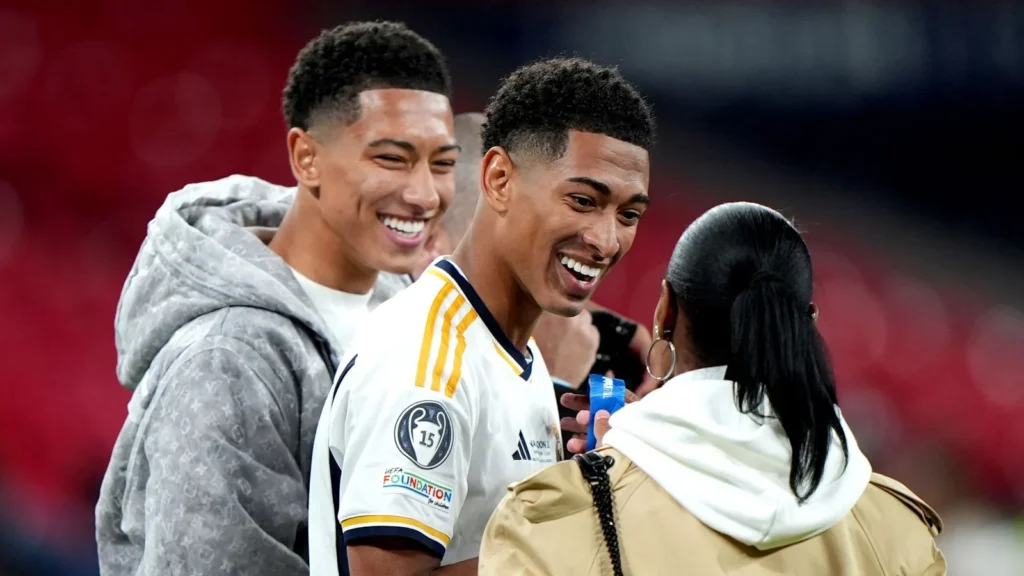
In a landscape dominated by superstars like Kylian Mbappé, Erling Haaland, and Jude Bellingham, Salah’s adaptability would make him indispensable. He could thrive in high‑pressing, fast, fluid attacking systems, seamlessly shifting between roles as a winger, second striker, or central forward. His versatility would allow managers to deploy him as the tactical key to unlock defenses, whether through blistering counter‑attacks or intricate positional play.
The future of football will demand players who combine athleticism with intelligence, and Salah embodies both. In many ways, the Mohamed Salah legacy would evolve into a blueprint for the modern forward — a player who blends pace, precision, and adaptability with the ability to thrive in data‑driven, technology‑enhanced systems. His influence would not only be measured in goals but in how his style of play shapes the next generation of attackers.
Mohamed Salah Legacy Across the Ages
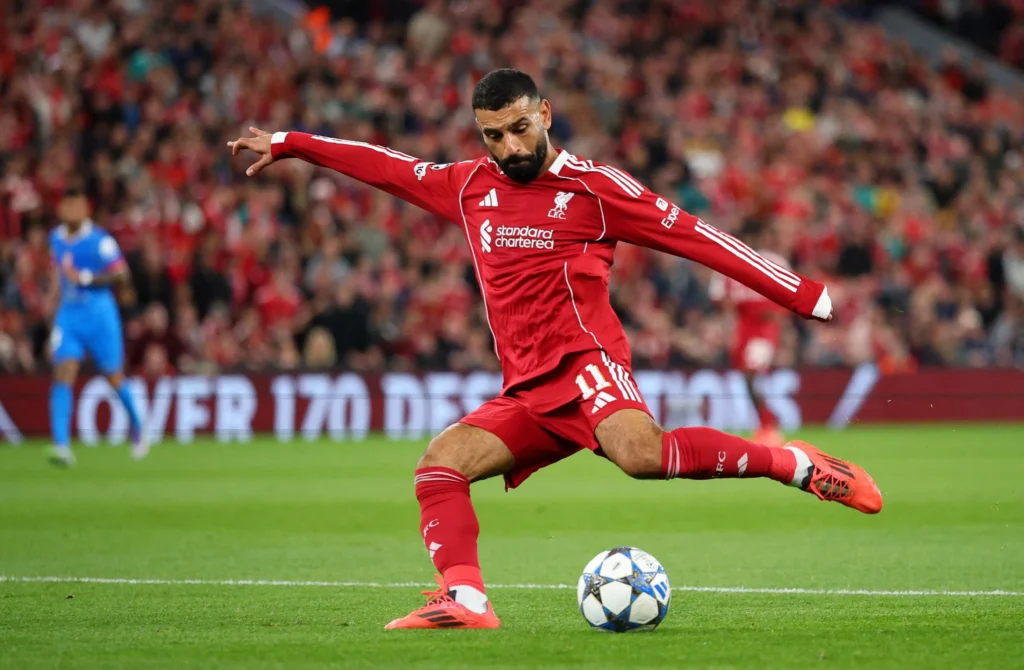
No matter the era, Mohamed Salah’s unique blend of technical brilliance, explosive pace, and relentless work ethic would have made him a star. Whether playing in the tactical discipline of the 1950s, the dazzling creativity of the 1970s, the dribbler‑heavy 1980s, the striker‑dominated 1990s, or the Galácticos era of the 2000s and beyond, Salah’s qualities transcend time.
From lining up alongside Pelé and Maradona to forming deadly attacking trios with Zidane, Ronaldo, or Thierry Henry, Salah’s adaptability ensures he would have thrived in any tactical system. His ability to press, create, and finish makes him the archetype of the modern forward, but also a player who could have reshaped earlier eras.
In many ways, the Mohamed Salah legacy is defined not just by his achievements at Liverpool, but by the imagination of how his game would have lit up football’s golden ages. His impact reminds us that the greatest players are timeless — capable of transcending generations, rewriting tactics, and leaving a mark as true legends of the sport.