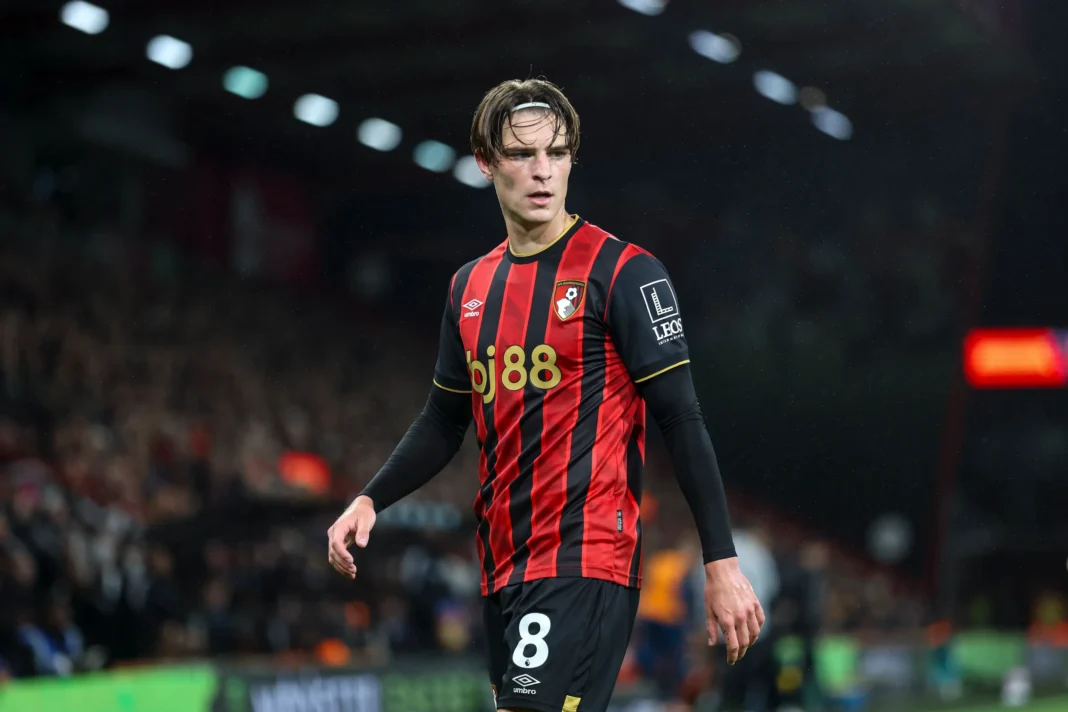


Tottenham Hotspur are set to smash their transfer record again, less than 12 months after paying £65m for Dominic Solanke. TEAMtalk reported on 25 June 2026 that Tottenham have offered West Ham a package worth up to £85m for Mateus Fernandes, with journalist Matteo Moretto claiming the club is ‘very close’ to agreeing personal terms. ESPN has also confirmed their interest. The extraordinary mark-up is striking: Fernandes cost West Ham just over £40m from Southampton in August 2025, meaning his value has more than doubled in a single season.
On the face of it, the logic is straightforward. Roberto De Zerbi needs technically intelligent midfielders who can operate in a possession-based 4-2-3-1 that morphs into a 3-2-5 in build-up. Fernandes, a number eight who spent last season being deployed in a hybrid six-to-eight role at West Ham, ticks several of those boxes. He is comfortable receiving under pressure, can progress play through both passing and carrying, and was nominated for the Premier League Young Player of the Season award after 39 appearances across all competitions. There is genuine quality here.
But “genuine quality” and “£85m value” are different things, and the history of Spurs’ big-money midfield signings should make supporters nervous.
The Ndombele precedent
Tottenham’s last record-breaking fee went on Tanguy Ndombele in 2019, a £55.45m deal rising to around £64m with add-ons. The French midfielder was billed as technically outstanding and expected to thrive under an expansive manager. Instead, his Spurs career produced just 10 goals and nine assists from 91 appearances, three loan spells, and the ignominy of being booed off in an FA Cup tie against Morecambe. By consensus, Ndombele ranks among the worst signings of the Premier League era.
Why Fernandes is different; and why he isn’t
The comparison is imperfect. Ndombele’s downfall was rooted in attitude and fitness, while Fernandes is regarded as a dedicated professional. His pressing and high-intensity running numbers at West Ham were among the best in the division last season, and his reputation is built on work ethic rather than indulgence.
Yet the underlying concern is similar. Both arrived as technically gifted but relatively lightweight midfielders, asked to thrive in complex possession systems under demanding managers. Neither had proven themselves at Big Six level before the move. And both commanded fees that left little margin for patience if early performances faltered.
The valuation question
Fernandes finished the 2025/26 season with three goals and four assists in 36 Premier League appearances for a West Ham side that was relegated on the final day. Beyond headline numbers, he averaged 6.8 progressive passes per 90 and won only 42% of his defensive duels. Compare that to Declan Rice (£105m), who posted 9.2 progressive passes and a 61% duel win rate, or Moisés Caicedo (£115m), with 8.5 progressive passes and 65% duels won. By those benchmarks, Fernandes’ £85m valuation looks inflated.
Those numbers are not poor for a 21-year-old midfielder in a struggling side. According to Opta, Fernandes completed 87% of his passes last season, ranking 10th among all Premier League central midfielders, and his average FotMob rating of 7.24 across 36 starts held up well given the team around him. He scored the fastest Premier League goal of the season, against Aston Villa in December 2025, after 29 seconds. Analysts praised his ball progression and press resistance throughout the campaign.
But the valuation requires the assumption that Fernandes will perform markedly better in a competitive environment than he has yet demonstrated. He has never played for a club with Champions League ambitions, nor operated under a manager as tactically intricate as De Zerbi. His entire Premier League experience amounts to one season in a team that finished bottom of the division.
That is not a disqualifying record. It is simply not an £85m record.
For context: Manchester City paid £62.5m for Rodri in 2019, when the Spaniard was 23 and had already established himself across two seasons in La Liga. Chelsea paid £115m for Moisés Caicedo in 2023, but Caicedo had spent two full seasons at Brighton under De Zerbi himself, including a European campaign. Both fees were considered steep at the time. Both players had demonstrably more experience at this level than Mateus Fernandes does now as Tottenham prepare to break their transfer record.
The fit question for Fernandes is more complicated than it looks
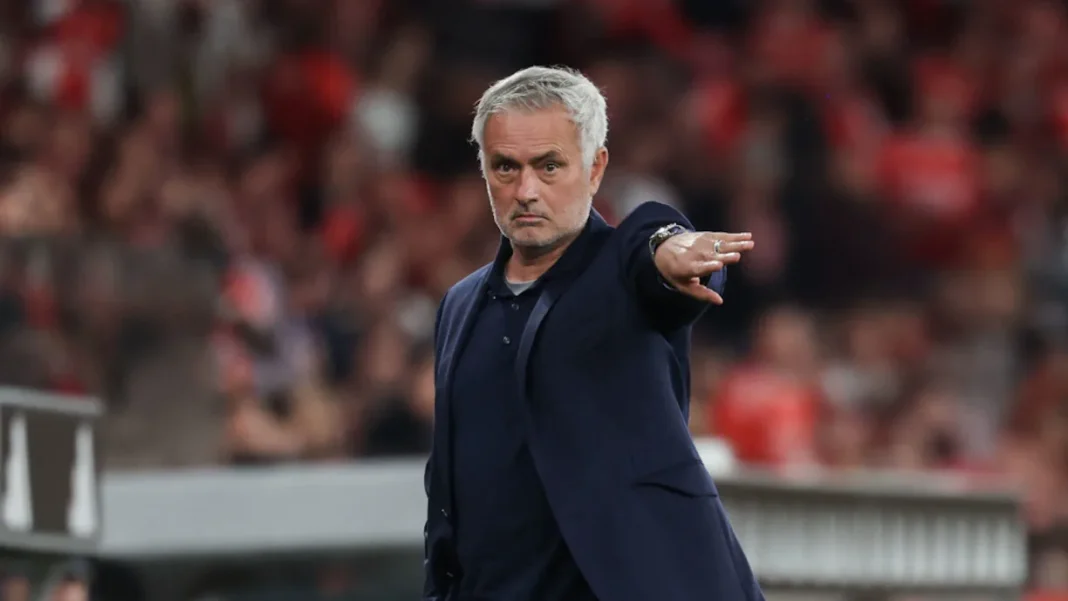
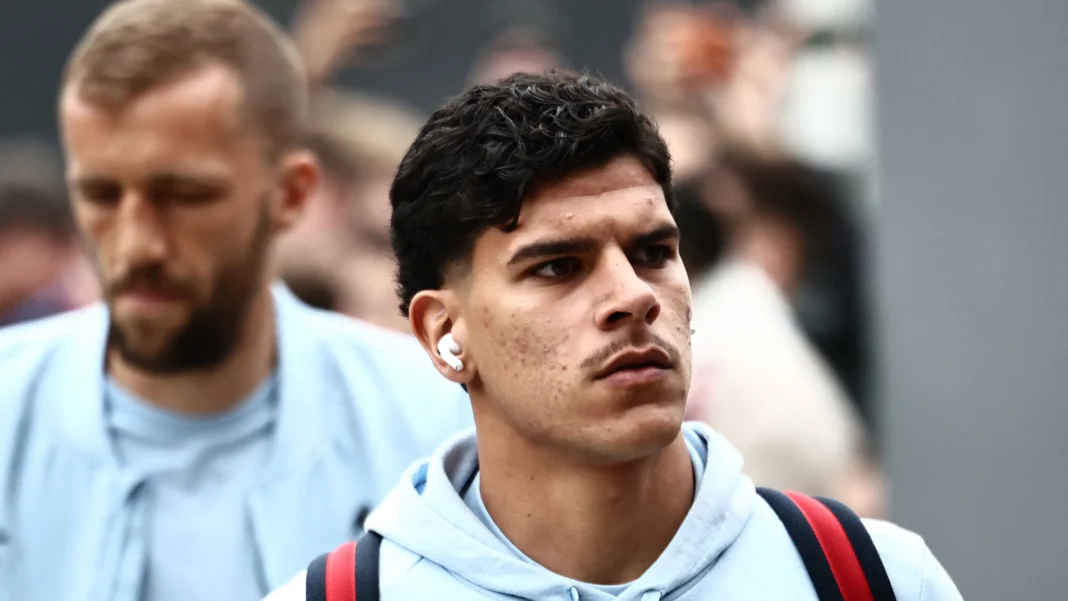
Roberto De Zerbi’s system at Brighton and Marseille relied on midfielders who could function in a genuine double pivot, combining defensive solidity with ball progression. At Brighton, that meant Alexis Mac Allister alongside Moisés Caicedo. When De Zerbi arrived at Tottenham in spring 2026 to rescue the club from relegation, his instinct to trust young technical players like Archie Gray and Lucas Bergvall quickly gave way to pragmatism. He turned instead to Conor Gallagher and Rodrigo Bentancur, whose industry stabilised the side.
The question now is which version of De Zerbi Spurs will see next season. If he reverts to his possession‑based ideal, Fernandes as a hybrid midfielder alongside a more defensive partner could work. His ability to drop between centre‑backs, circulate possession, draw opponents into pressing and break lines fits De Zerbi’s build‑up demands. Spurs are also reportedly pursuing Sandro Tonali; if that deal materialises, Fernandes would have the defensive cover to thrive.
Yet the risk is clear. Fernandes averaged 6.8 progressive passes per 90 but won only 42% of his defensive duels, with 103 tackles and 35 interceptions. Those numbers fall short of elite pivots like Declan Rice or Moisés Caicedo. Asking him to anchor Spurs’ midfield risks exposing defensive frailties, especially in Champions League transitions where De Zerbi’s system requires flawless coverage. For £85m, Spurs would be betting on potential rather than proven pivot reliability.
The pressure arrives before the contract is signed
Mateus Fernandes has not yet kicked a ball in north London for Tottenham and already carries the weight of being the most expensive player in the club’s history. Spurs supporters have been told he has given his “full green light,” that personal terms are agreed, and that West Ham’s asking price is being met. The deal is not done. The pressure already is.
Ndombele arrived under similar conditions, as the marquee signing of a summer rebuild, and the expectation contributed to a collapse in confidence from which he never recovered. Fernandes comes with more evidence of resilience. His senior international debut came as recently as March 2026, his pressing numbers at West Ham ranked among the division’s highest, and nothing in his public conduct has suggested the attitude problems that derailed Ndombele.
But Tottenham is not Brighton. The margin for error at a club carrying £831m in net debt, fresh from a near‑relegation, with a new manager trying to impose complex possession football and a fanbase that has watched marquee signings fail for a decade, is narrow.
The case for giving it time
None of this is an argument that Fernandes will definitely fail. He could be exactly what Roberto De Zerbi needs: a young, intelligent midfielder with the technical quality and physical engine to become the Mac Allister of this Spurs project. At 21, turning 22 in July, even an 18‑month adjustment period would leave him peaking at 23 or 24; by which point Spurs should, if the project works, be competing at a different level.
The conditions for failure are easy to identify. If Spurs start the 2026‑27 season slowly, if De Zerbi’s system takes time to click as it did at Brighton, the pressure on Fernandes as the club’s record signing will arrive fast and feel familiar.
Fernandes may justify every penny. De Zerbi may prove the manager to draw out his best. Yet the Mateus Fernandes to Tottenham deal, if confirmed, would see Spurs paying £85m for a 21‑year‑old with one relegated Premier League season on his record, on the assumption that his ceiling is far higher than anything he has yet shown. That might be correct. It is still a bet. Spurs have lost that kind of bet before.