
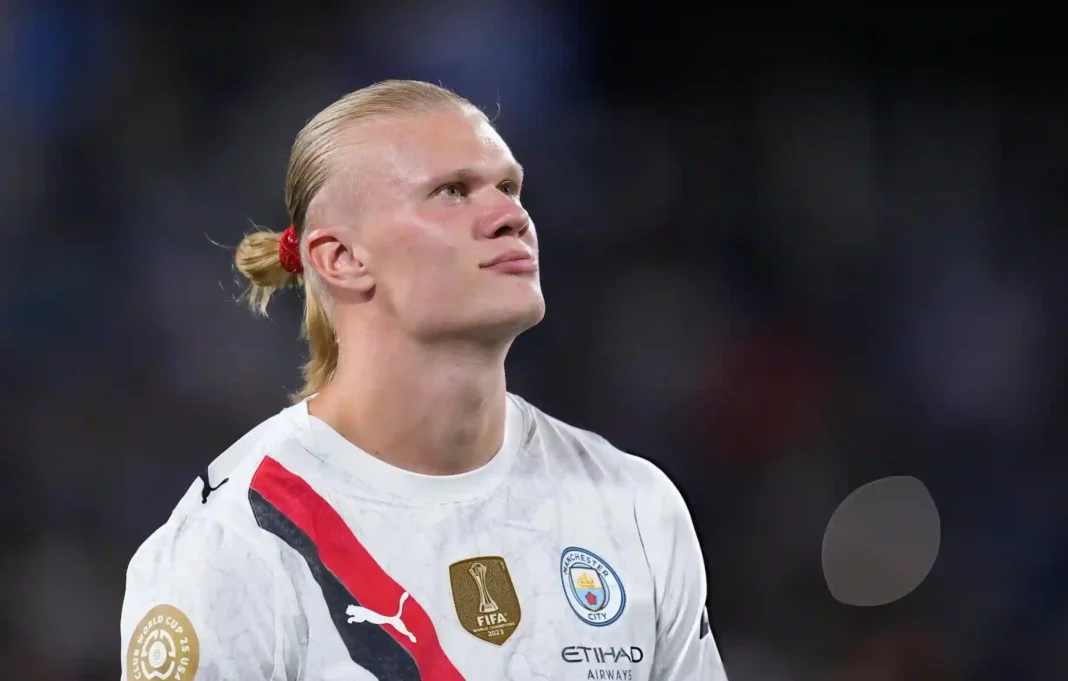

The news about nine-year contract extension of Erling Haaland with Manchester City in January 2025 is more than a transfer story; it is a declaration of intent. For a striker whose arrival in the Premier League felt like a seismic event, the new deal cements a partnership that has already rewritten scoring benchmarks. By club output and silverware to this point, the Norwegian professional makes a persuasive claim to be the best striker of the decade. But greatness is not measured by goals alone. To settle the debate we must weigh his raw numbers against the tactical environment that produces them, his international narrative with Norway, and the test of longevity.
A résumé that forces the conversation
As of January 2025, Haaland’s career totals are striking: roughly 246 club goals, 111 goals in 126 appearances for Manchester City, and 46 Champions League goals in 45 appearances. His 36‑goal Premier League season in 2022/23 remains a modern benchmark; his Champions League contributions helped deliver City their first continental crown in 2023. Those are headline figures that demand attention. They place Haaland among the most efficient finishers of the modern era and give him a statistical edge over many contemporaries.
Numbers, however, are only the starting point. The metrics that matter for legacy debates are goals per 90, non‑penalty goals per 90 and expected‑goals (xG) context. Haaland’s conversion rates and non‑penalty returns are elite; he finishes chances with a ruthlessness few possess. That combination of volume and efficiency is the core of the argument that he is already the decade’s defining club striker.
System or superstar: the Manchester City effect
It would be unfair to attribute Haaland’s success solely to Manchester City’s system, but it would be equally naive to ignore the environment in which those numbers were produced. Pep Guardiola’s side is a high xG machine: positional rotations, pressing triggers and the creative output of players such as Kevin De Bruyne generate a steady stream of high‑quality chances. That Guardiola system effect amplifies any striker’s output.
The fair question for legacy is portability. Would Haaland have produced the same returns in a midtable side or under a manager whose system does not revolve around creating central, high‑value chances? The answer matters because the title “best striker of decade” implies not only peak output but adaptability and independence from a single tactical framework. Haaland’s finishing is world‑class; the remaining test is whether he can sustain elite output if the tactical variables change.
International moments and narrative currency
Football history is shaped as much by tournament drama as by season‑long consistency. The World Cup pedigree of Kylian Mbappé’s and clutch performances give him a different kind of legacy currency that Manchester City icon Erling Haaland has yet to match. Norway’s national team, despite Haaland’s near goal‑per‑game return, has not produced the deep tournament runs that create the indelible public moments, those iconic finals, late‑winner narratives and global stages, that elevate a player beyond club circles.
If Haaland can translate his club dominance into tournament‑defining moments for Norway, the narrative balance will shift dramatically. Until then, his international résumé is impressive but incomplete in the way that matters for historical memory.
How Erling Haaland stacks up against his peers
Comparisons sharpen the debate. Each of Haaland’s chief contemporaries brings a different case:
Kylian Mbappé:
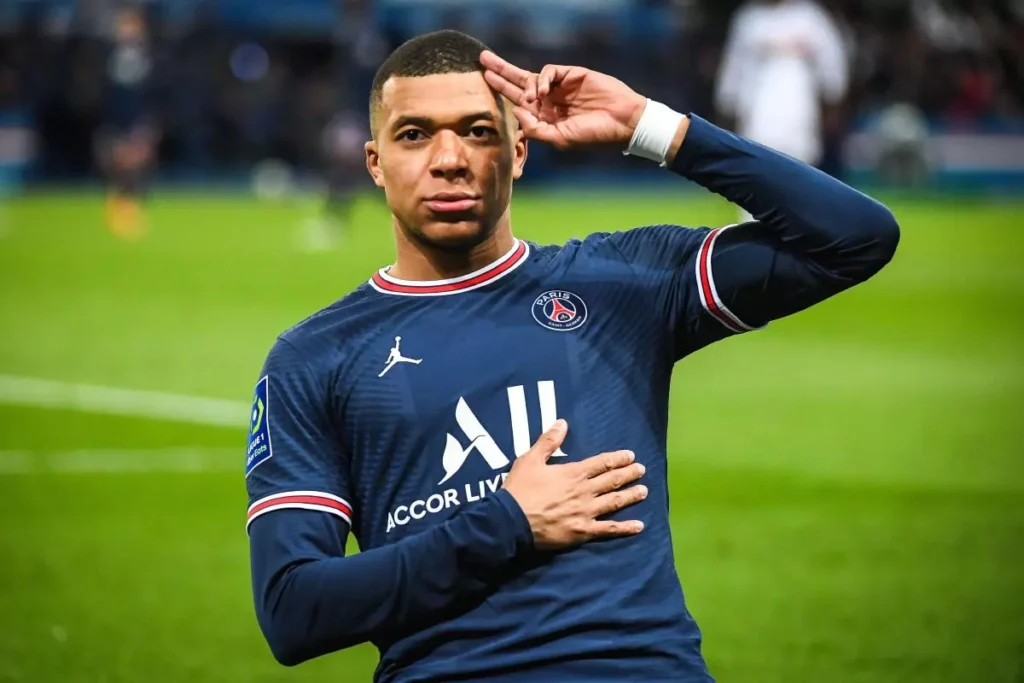
World Cup winner, versatile forward, and a player whose international moments already anchor his legacy. Mbappé’s blend of pace, skill and tournament pedigree gives him a strong claim in any “best of” conversation. His knack for producing decisive moments on the biggest stages, late winners, tournament‑defining performances has already cemented his place in football’s modern mythology.
He also brings leadership and a habit of turning big moments into personal milestones, lifting teammates with performances that shift tournament narratives.
Harry Kane
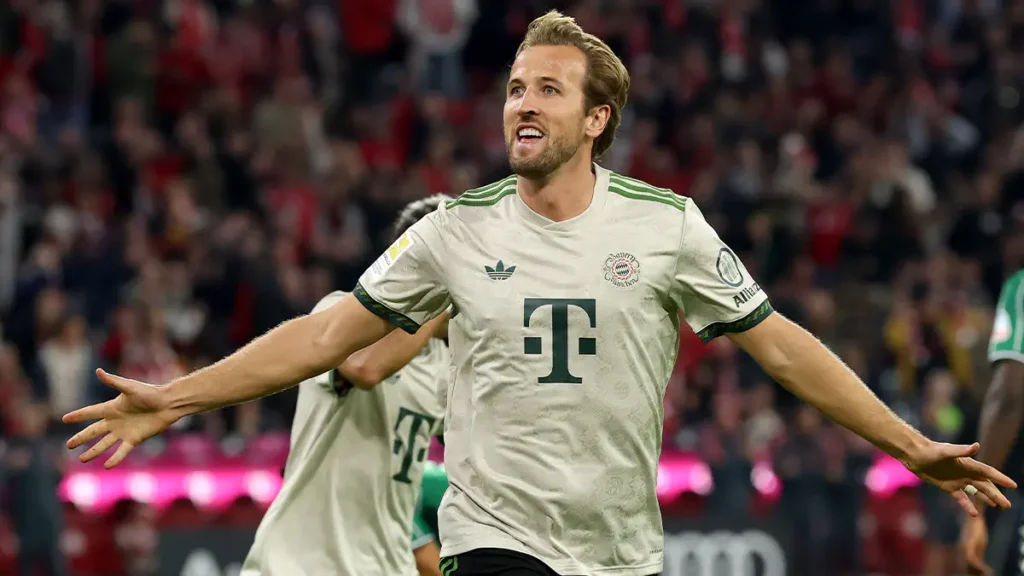
The model of consistency and technical completeness, Kane’s evolution into a creator as well as a finisher and his move to Bayern Munich to chase continental silverware underline a career built on adaptability and sustained excellence. He combines an instinctive eye for goal with exceptional game intelligence, often dropping deep to create as well as finish, a rare blend that forces defenders into uncomfortable choices. His leadership for club and country, reliability from the penalty spot and knack for producing big‑game goals make him the benchmark for all‑round striker excellence.
Robert Lewandowski:
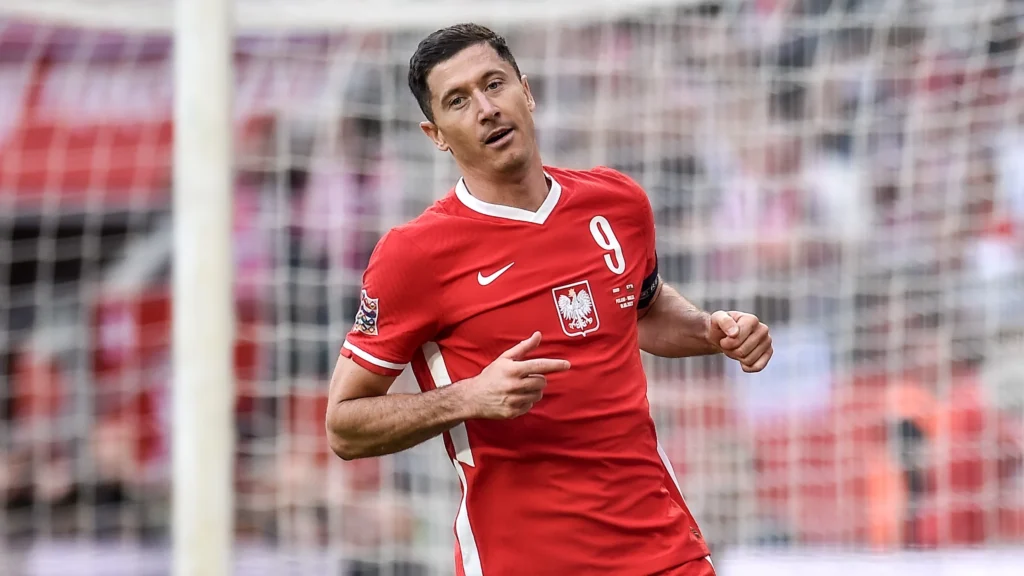
A decade of elite scoring and remarkable longevity. Lewandowski’s records and consistency across seasons set a high bar for anyone claiming decade‑long supremacy. He pairs an almost preternatural positional sense with a refined finishing technique, able to score with either foot and from a variety of situations inside the box. His professionalism, consistency in front of goal and ability to adapt his game as he aged make Lewandowski the template for what sustained elite striking looks like across a decade.
Haaland’s advantage in January 2025 is clear: a higher scoring rate and an early haul of major club trophies, including the Champions League. But the rivals’ strengths—international moments, playmaking breadth, and decade‑long consistency—are the very qualities that keep the debate open.
The verdict, for now
By club output and silverware till January 2025, Erling Haaland is the most prolific club striker of the early 2020s and a leading contender for the best striker of the decade title. That verdict is defensible and data‑driven: his conversion rates, goals per game and trophy cabinet give him a compelling edge.
Yet the definitive label requires three further proofs: system independence (sustained dominance across tactical contexts), international legacy (defining tournament moments for Norway), and longevity (maintaining elite output across the remainder of the decade). If Haaland continues to convert at elite rates, adds more Premier League as well as Champions League influence and helps Norway to tournament breakthroughs, the debate will likely close in his favour. Until then, his case is powerful but not unassailable.
What to watch next
Over the next three seasons, watch Haaland’s goals per 90 in matches where City’s xG dips, his contribution in Champions League knockout ties, and any defining performances for Norway at major tournaments. Those data points will tell us whether we are witnessing a striker whose greatness is intrinsic—or one whose numbers are, in part, a product of the perfect system.
With Erling Haaland now tied to Manchester City until 2034, do his Premier League and Champions League records justify calling him the best striker of the decade? drop your thoughts.