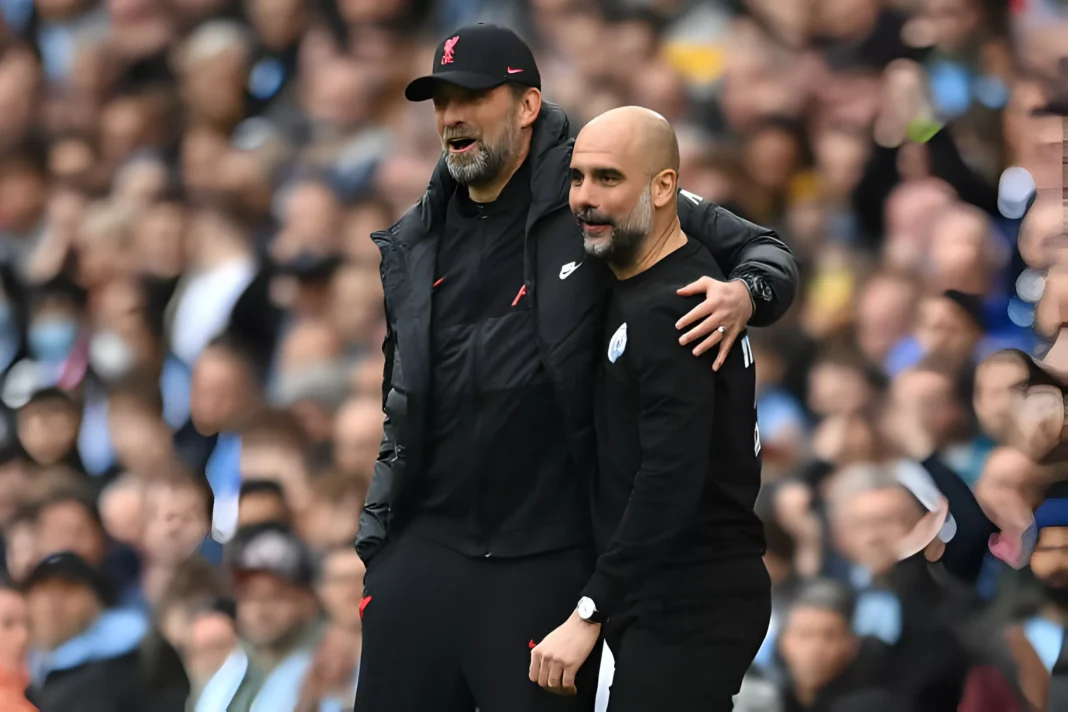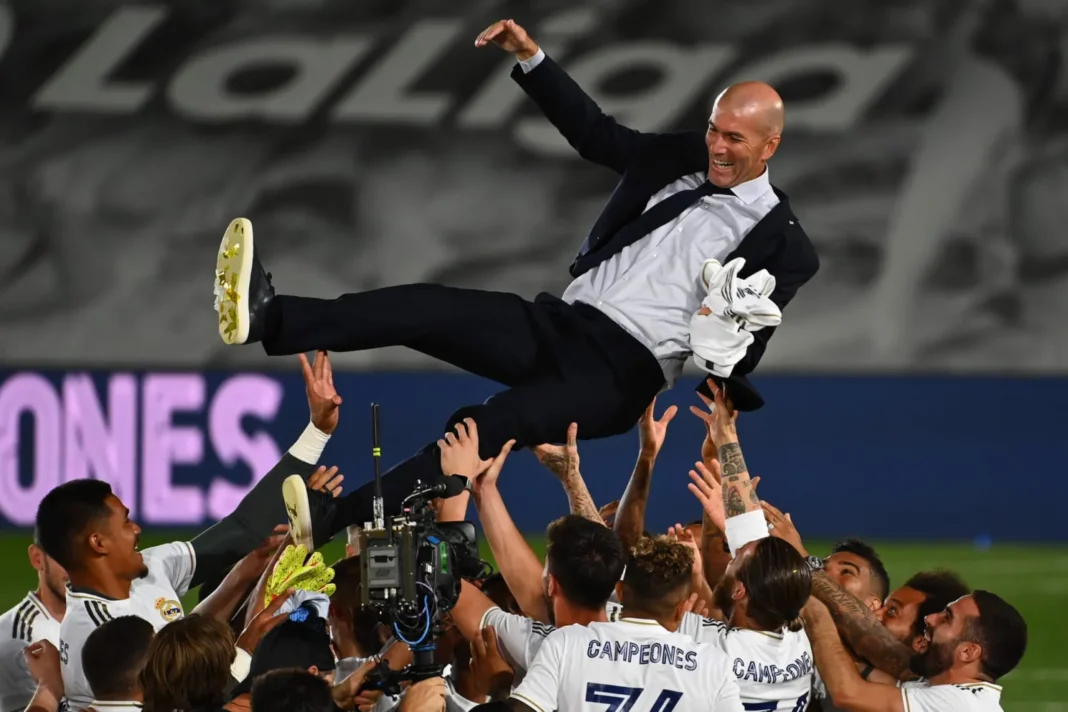

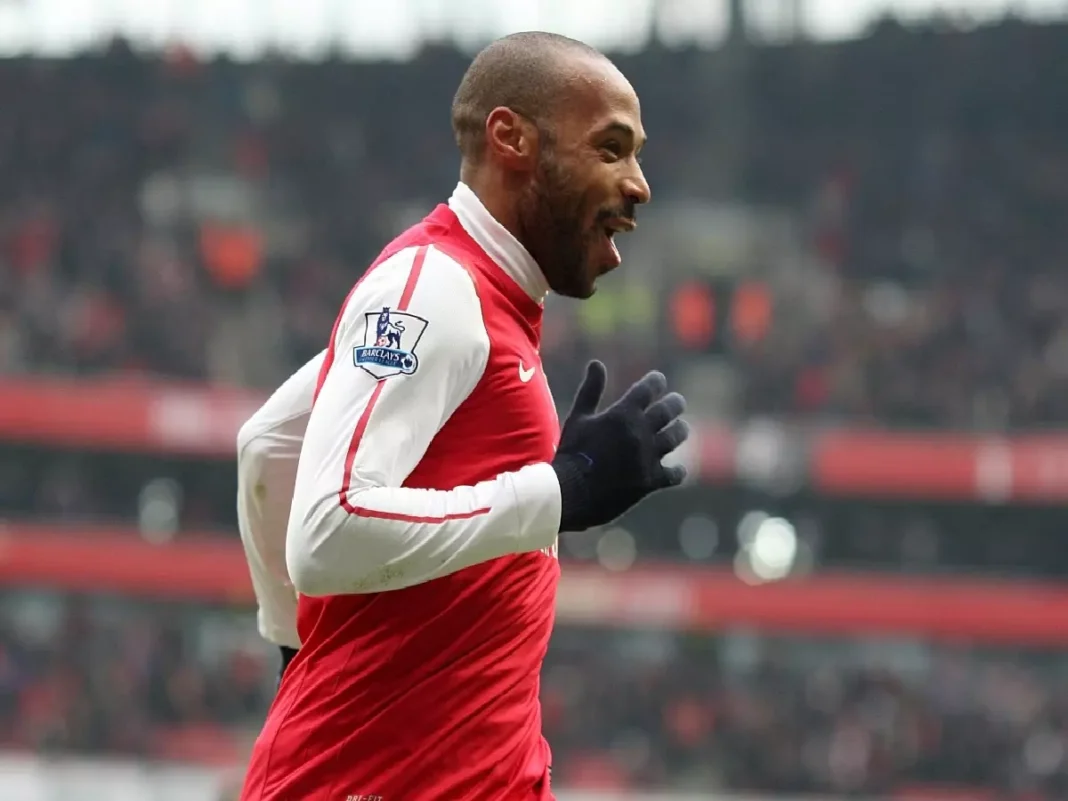

When Arsène Wenger announced the end of his 22-year reign, the debate over his successor began instantly. Among the names that surfaced, none carried more emotional weight than the prospect of Thierry Henry as the next Arsenal manager. For many supporters, it was not merely fantasy but a vision rooted in sentiment: the club’s greatest modern striker, a two-time Premier League champion, and a figure whose devotion to the Gunners has never been in doubt. Alongside him, candidates such as Luis Enrique, Carlo Ancelotti, Brendan Rodgers, Patrick Vieira and Mikel Arteta offered credible options. Yet none could rival the roar that would greet Henry’s unveiling, nor the symbolism of a legend stepping into leadership.
Despite the weight of expectation from the stands, here is why Thierry Henry should not be the next Arsenal manager.
The experience question has no good answer yet
Henry has treated his coaching career with seriousness and intent. He earned his badges, committed himself to working with younger age groups, and now serves as Roberto Martínez’s assistant with Belgium ahead of this summer’s World Cup. That role places him close to elite preparation and tournament football at the highest level. What it does not provide, however, is the experience of standing alone in the dugout, carrying the ultimate responsibility for results.
Reading a game as a forward and reading it as a manager are disciplines separated by scale. As a player, the Frenchman operated from a single vantage point, processing space and movement through the lens of his own position. Management demands that same spatial intelligence applied across every role, every contract dispute, every board priority. The media environment alone will be unforgiving given the name attached to the job. That capacity is not inherited. It is developed through doing, through making decisions under pressure, through getting things wrong at a level where the consequences remain manageable.
Pep Guardiola offers the most instructive parallel. Before Joan Laporta entrusted him with Barcelona’s senior side, he spent three seasons managing the club’s B team. Those years mattered enormously, giving him space to make mistakes, refine ideas, and learn the rhythms of leadership away from the glare of the spotlight. The former striker has not served that kind of apprenticeship, and whoever takes the job in the summer of 2018 cannot afford to be learning on the job.
This particular job is harder than most
Taking over from any long-serving manager is difficult. Taking over from Wenger at the Emirates is something else entirely. Twenty-two years had embedded a culture, a transfer philosophy, a way of doing almost everything, right down to the rhythms of the training ground. A new manager would not simply inherit a squad. He would inherit a set of habits, deeply ingrained and fiercely resistant, that demanded dismantling with both care and urgency.
The squad itself demands urgent attention. Laurent Koscielny, Jack Wilshere, Calum Chambers and Petr Čech all require replacing or upgrading before the summer is out. Several contracts remain unresolved. The wage structure needs reorganising. And without Champions League football, Arsenal’s recruitment pitch changes with every serious target. Players at the level the north London club must attract will want assurances about European competition, about the club’s direction, about what the next three years look like. A manager without senior track record in the dugout is in a weak position to provide them.
The job demands someone whose CV commands instant respect from players, agents and rival clubs. Henry’s playing record is extraordinary, a catalogue of goals and glory that places him among the game’s greats. His managerial record does not yet exist.
Sentiment makes for a poor shortlist criterion
The question of whether Thierry Henry should be the next Arsenal manager is driven largely by feeling, and that feeling is genuine and understandable. Supporters who watched him at his peak want to see him back at the club in some capacity, and there is nothing wrong with that impulse. Yet the decision over who guides the Gunners through what may be its most significant transitional moment in a generation deserves to rest on different grounds.
Football has seen this pattern often enough. A beloved former player returns to manage the club before he is ready, the results disappoint, the goodwill erodes faster than anyone imagined, and the legacy suffers a dent it never needed. Henry’s reputation as a player is untouchable. His future as a manager is still being written, and it would be wasteful to risk the former for the sake of rushing the latter.
The better path is obvious
Step away from Martínez’s shadow. Take a head-coaching role in Ligue 1 or Serie A where the pressure matches the experience level. Make mistakes where they can be absorbed. Develop ideas about pressing, squad rotation, and managing a dressing room through a difficult run. Spend two or three seasons building a body of work. Then, when the north London outfit are searching for a manager again from a position of greater stability, arrive as someone the Gunners are fortunate to secure rather than a gamble.
Henry will manage Arsenal. The only question is whether he does so before he is equipped to handle it or after. One of those versions ends well. The other places both parties in an unnecessarily difficult position from the very first week.
Wenger’s successor needs to be the right appointment for Arsenal in May 2018. Henry is the right appointment for Arsenal, but not yet.